
Spring in Iowa feels like one long exhale. The ground thaws, the days get longer, and somewhere between the first warm weekend and the last frost warning, you find yourself standing in the backyard making a mental list of everything your house needs. That list grows faster than the weeds.
The gutters, the deck, that weird crack near the foundation, the tree branch that got a little too friendly with your roofline during the last ice storm…
Spring maintenance sneaks up on us every year, and the question that usually follows is “What can I handle myself, and what should I hand off to someone who knows what they’re doing?”
Some of the tasks on your spring to-do list are easier than they seem. But even the easy home maintenance DIY stuff can be deceptive. Let’s sort out how you can tell the difference.
Tasks You Can Usually Tackle Yourself
Foundation and Grading
Outdoor Spigots
HVAC Filters and Vents
AC Condenser
Gutters
Caulk Around Windows and Doors
GFCI Outlets
Mulch and Basic Yard Cleanup
Sump Pump
Dehumidifier
Safety Detectors
Tasks Worth Calling the Pros
Roof Inspection and Repairs
HVAC Tune-Up
Electrical Work Beyond a GFCI Reset
HVAC Filters and Vents
Tree Trimming Near Structures or Power Lines
Foundation Concerns
When It’s a Toss Up
Pressure Washing
Deck Staining or Sealing
Minor Plumbing Fixes
Tasks You Can Usually Tackle Yourself
With a free Saturday, a few basic tools, and a good playlist or podcast, you can knock out these more straightforward projects.
Foundation and Grading
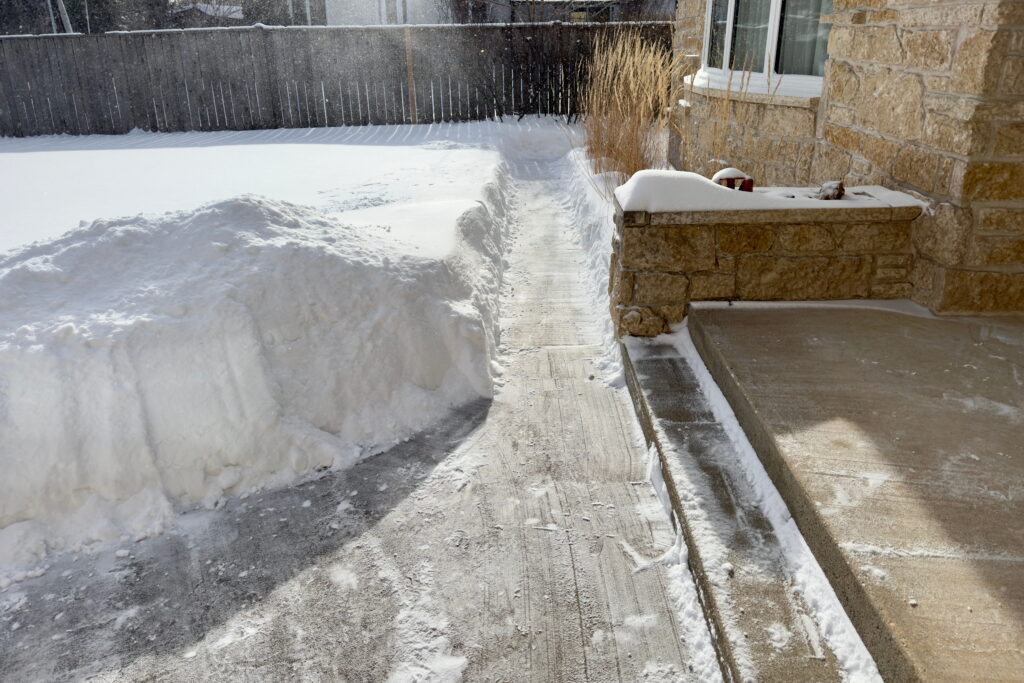
Winter freeze-thaw cycles can cause soil to settle around your foundation, creating low spots where water pools instead of draining. Walk the perimeter of your home and look for areas where the ground has sunken or is sloping toward the house rather than away from it.
Fill in any low spots with compacted soil, and make sure the grade slopes away from the foundation—generally about six inches of drop over the first 10 feet. If you’re noticing anything beyond grading issues, like new or widening cracks in the foundation, that’s a different conversation. More on that later.
Time: 1-2 hours
Cost: Free to $30 (topsoil or fill dirt if needed)
Outdoor Spigots
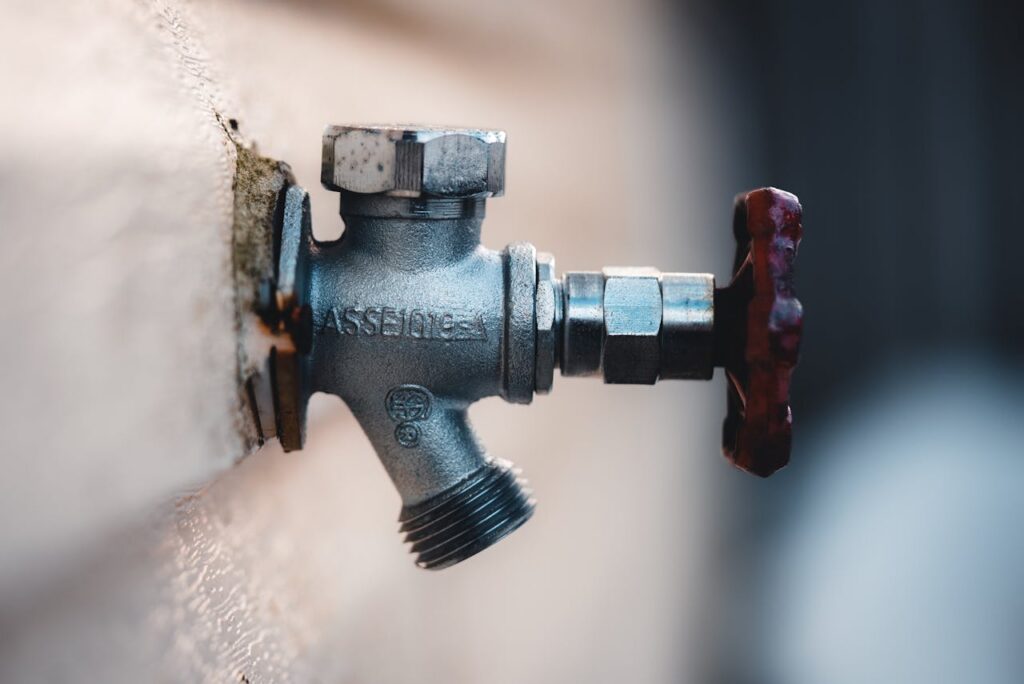
Photo Credit: Erik Mclean (Pexels)
Turn on your outdoor faucets and let the water run briefly while you check for leaks at both the spigot outside and the pipe connection inside. Pipes that froze during winter can develop small cracks that aren’t obvious until the valve opens again for the first time.
If you catch a leak now, it’s a quick fix. But if you miss it, you might have to deal with water damage inside the wall by midsummer.
Time: 15-30 minutes
Cost: Free to check; $10-30 for minor washer or fitting repairs
HVAC Filters and Vents
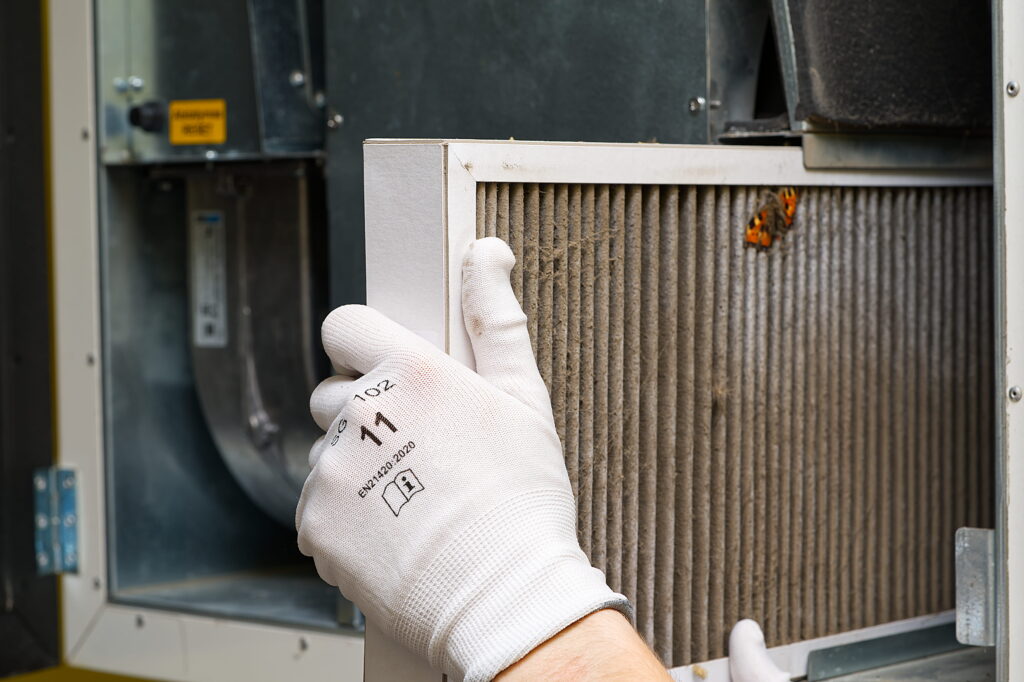
A clogged filter makes your HVAC system work harder than it needs to. The impact can show up on your energy bill, shortening your system’s lifespan.
Swap out the filter and vacuum out any dusty vents or returns while you’re at it. Then check your system’s recommended replacement schedule so you know when it’s time to follow up.
Time: 20 minutes or less
Cost: $10-30+ (depending on filtration level and thickness)
AC Condenser
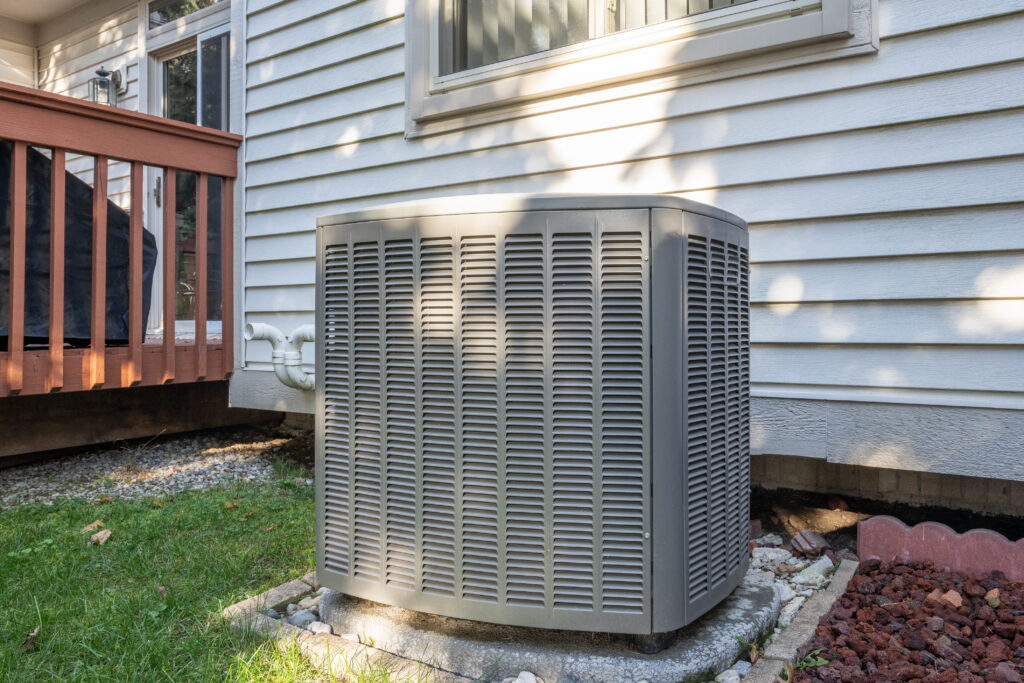
Before the first hot day sneaks up on you, pull off any protective cover you put on the outside unit last fall and clear away leaves, sticks, or debris. Restricted airflow makes the system work overtime and cool less efficiently.
Give the fins a look while you’re out there. If they’re visibly bent or the unit sustained any damage over the winter, that’s worth a call to your HVAC tech.
Time: 15-20 minutes
Cost: Free
Gutters
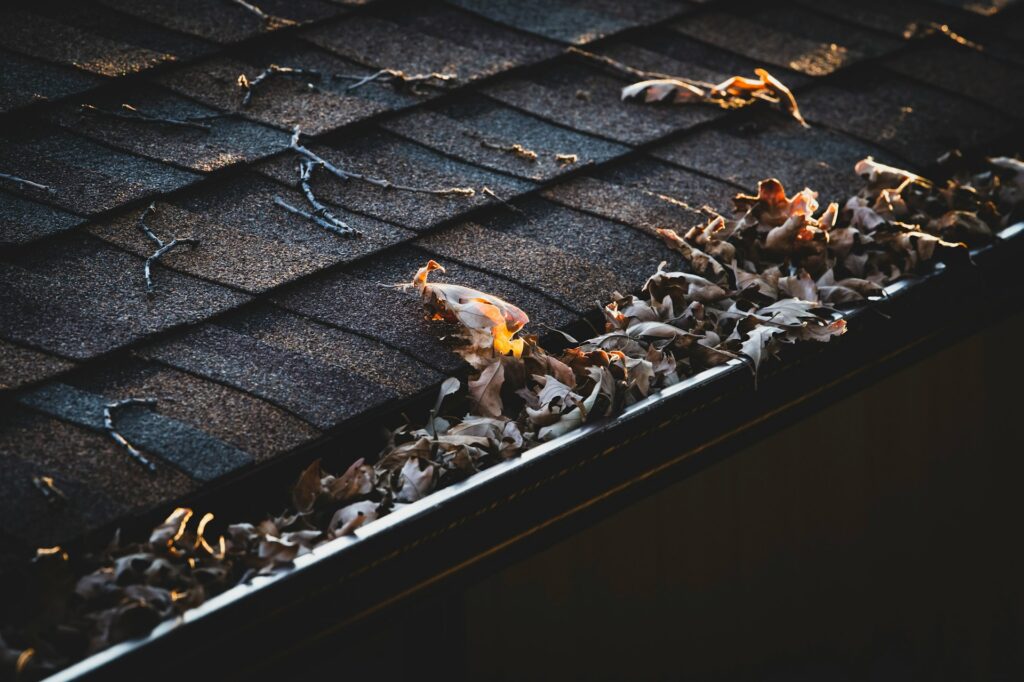
Photo Credit: Jon Sailor (Unsplash)
Clogged gutters can push water back toward your roofline or make it pool against your foundation. These problems can become costly, especially during the rainy spring season. Now is a great time to clear out what winter left behind and make sure everything’s draining properly.
If you have a single-story home and a sturdy ladder, this is a manageable solo job. Just make sure someone’s around to spot you. While you’re checking drainage, make sure your downspouts are directing water at least a few feet from the house.
Time: 1-2 hours
Cost: Free to $15 (a gutter scoop and gloves make the job easier)
Caulk Around Windows and Doors
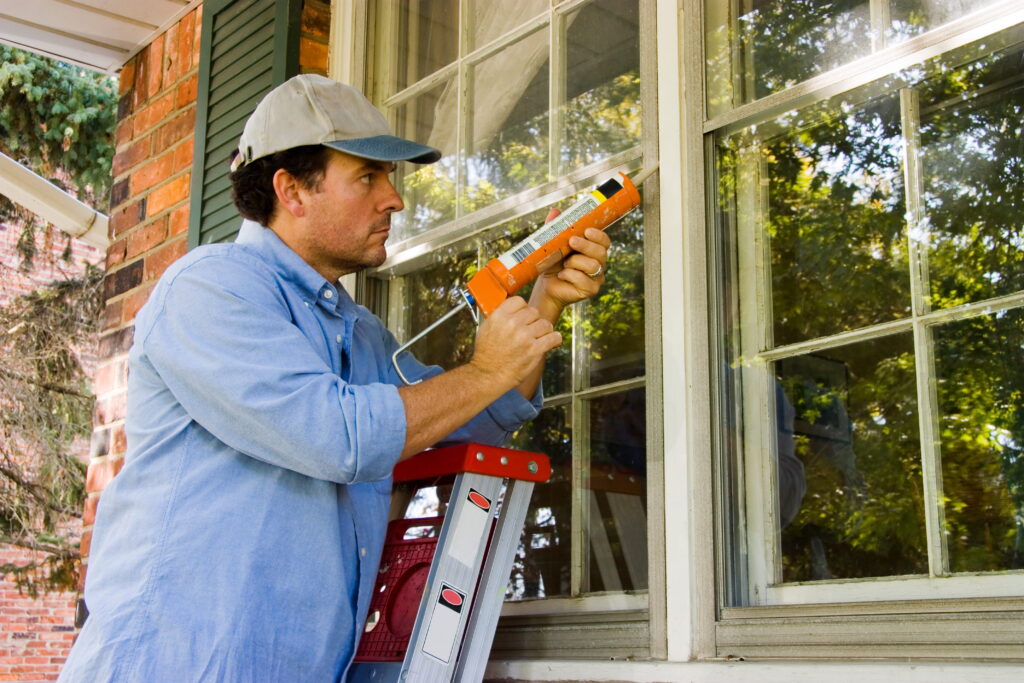
Walk around outside your home and look for gaps or cracked caulk around windows and door frames, or anywhere different materials meet. Small air leaks and moisture entry points can do a lot of silent damage over time.
A fresh bead of caulk is a simple exterior fix. Pick up a tube rated for outdoor use and make sure the surface is clean and dry before you apply it.
Time: 1-2 hours (depending on how much ground you’re covering)
Cost: $10-25 (includes caulk and a caulk gun if you don’t already own one)
GFCI Outlets
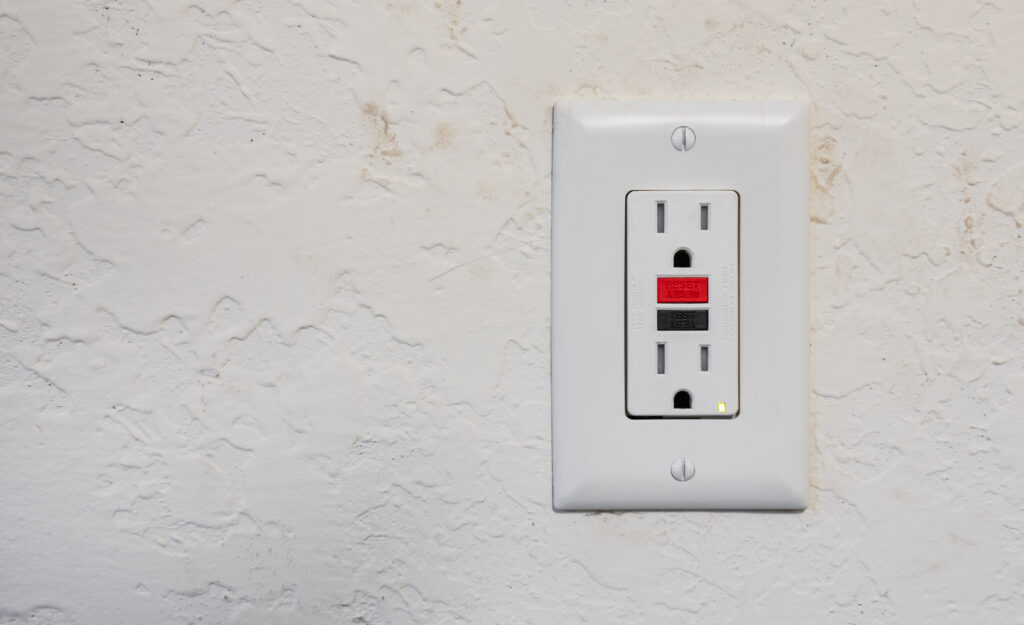
The outlets in your bathrooms, kitchen, garage, and outdoor spaces have a test/reset button on them for a reason. Check your outlets each spring by pressing the test button, confirming the outlet goes dead, and resetting it.
If an outlet won’t reset or isn’t responding, flag the outlet for later. We’ll talk about tackling that task in the next section.
Time: 15-20 minutes
Cost: Free
Mulch and Basic Yard Cleanup
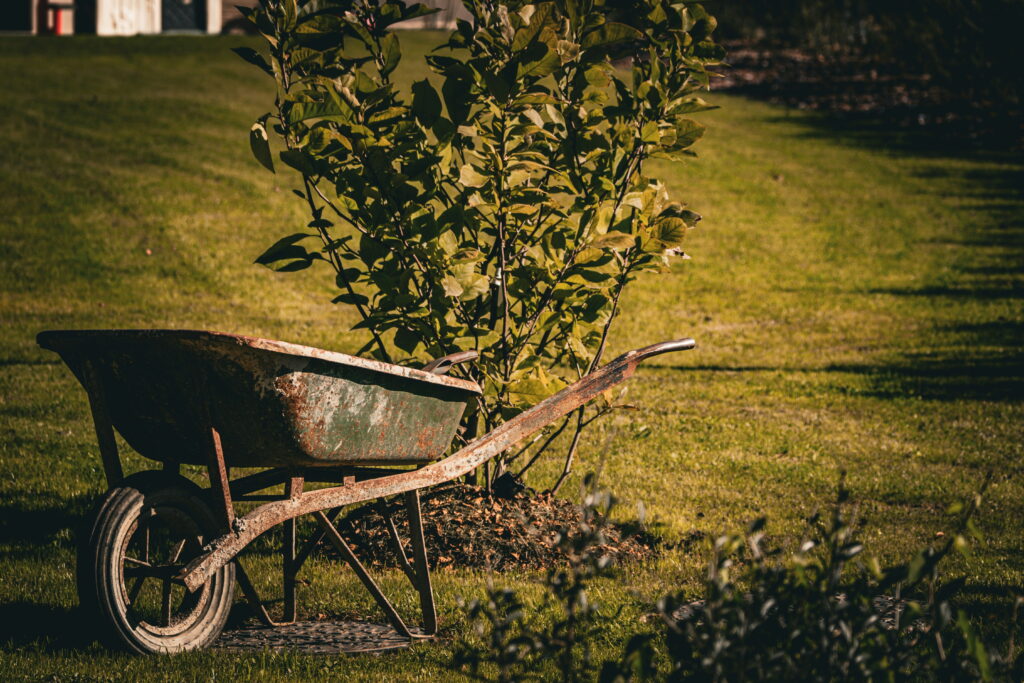
Photo Credit: Valentin Zickner (Unsplash)
Rake out your flower beds, pull weeds before they get established, and top off your mulch. A fresh layer around trees and garden beds helps retain moisture and regulate soil temperature. Plus, it makes your whole yard look more put-together heading into the warmer months.
Aim for two to three inches of mulch, keeping it a few inches back from tree trunks and plant stems.
Time: 2-4 hours, depending on yard size
Cost: $30-100+ (mulch costs $4-8 per bag; bulk delivery is worth considering if you have a larger yard)
🌱 While you’re sprucing up outside, check out our post, How Sustainable Landscaping Can Transform Your Yard This Spring, featuring landscaping expertise from a local designer.
Sump Pump

Your sump pump will earn its keep during the rainy months. Don’t wait for a storm to find out if it’s working. Pour a bucket of water into the pit and confirm the float triggers the pump and that it’s discharging water away from the house. This doesn’t apply if you have a sealed pit, as unsealing it can disrupt your radon mitigation system if you have one.
While you’re down there, check the discharge line to make sure it isn’t blocked or frozen at the outlet end.
Time: 15-20 minutes
Cost: Free to test; sump pump replacement costs range from $150 to $400+
Dehumidifier

We’ve already had some humid days this spring. Iowa basements can hit humidity levels above 50% by late in the season, and this is the threshold where mold thrives. If you run a basement dehumidifier, clean the filter and drainage bucket before you fire it up for the season.
If you use a drainage hose, check that it’s clear and positioned correctly. Confirm the unit is reaching your target humidity setting. If it’s running constantly without bringing levels down, your dehumidifier might be undersized for the space, or you might need to replace it.
Time: 20-30 minutes
Cost: Free to prep; replacement filters cost $15-40, depending on your unit
Safety Detectors

The change of seasons is as good a reminder as any to test your smoke and carbon monoxide detectors. Press the test button on each one. If the alarm is weak or delayed, replace the battery. If the detector is more than 10 years old, replace the unit.
Time: 10-15 minutes
Cost: Free (if batteries are good); $5-15 for new batteries, or $35-90 DIY unit replacement
Tasks Worth Calling the Pros
Handling certain projects on your own poses a risk to your safety or your wallet. And for those projects, the risks usually outweigh the satisfaction of handling them yourself.
Roof Inspection and Repairs

Spring is a smart time to have your roof looked at, especially if it was a snowy or icy winter. But this is a job to leave to the pros. Roofing work involves fall risk, and an untrained eye can miss damage that a professional would catch immediately. Many roofing companies offer free or low-cost inspections.
HVAC Tune-Up
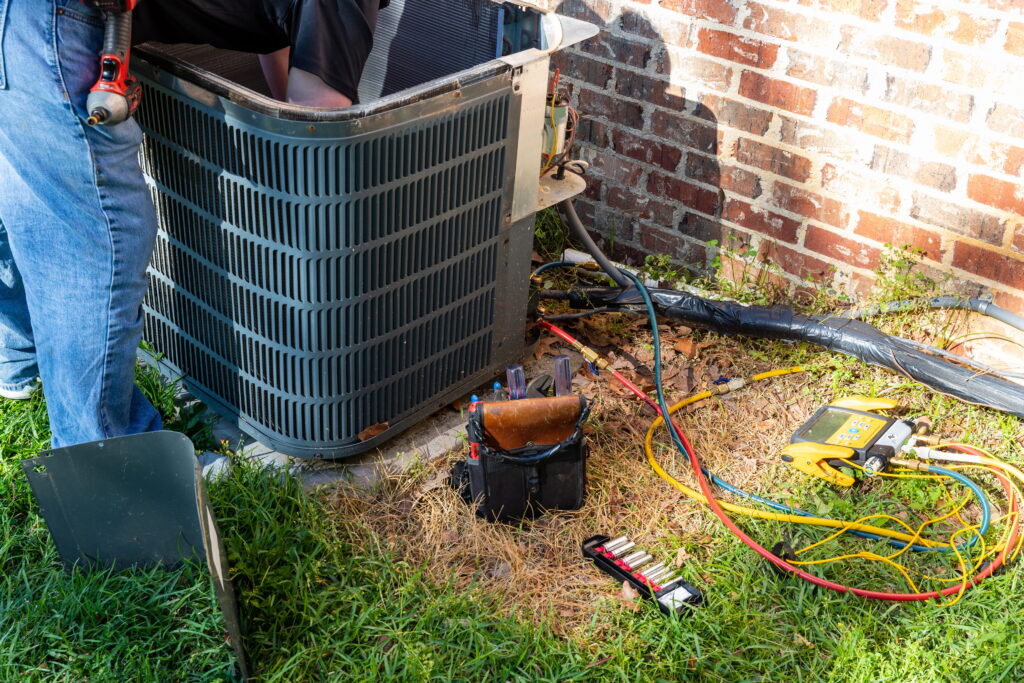
Changing your filter? DIY all the way. But tackling mechanical service, including checking refrigerant levels, inspecting electrical connections, and cleaning the coils, is a job for a licensed HVAC technician.
Getting a tune-up done in the spring before the first stretch of hot weather also means you won’t have to scramble for an appointment in July when everyone else has the same idea.
Electrical Work Beyond a GFCI Reset
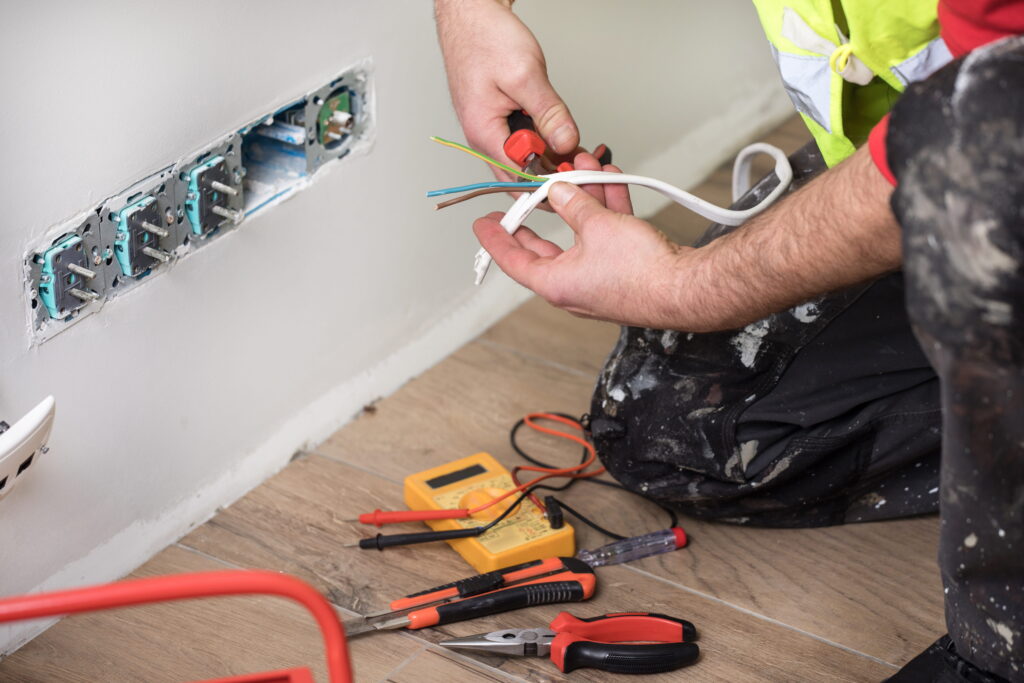
If you find a GFCI outlet that won’t reset, or you’re noticing flickering lights, tripping breakers, or outlets that feel warm to the touch, stop there and call a licensed electrician. Electrical issues aren’t the place for trial and error. This also applies to any new wiring, panel work, or outlet additions.
Tree Trimming Near Structures or Power Lines

Photo Credit: Henk Schuurmans (Pexels)
A dead branch hanging over your roof or anywhere near a power line is not a ladder-and-chainsaw situation. Arborists are trained for this type of work—they can assess what needs to come down and handle the removal without taking out anything (or anyone) in the process. Big trees are 100% worth the professional fee.
Foundation Concerns
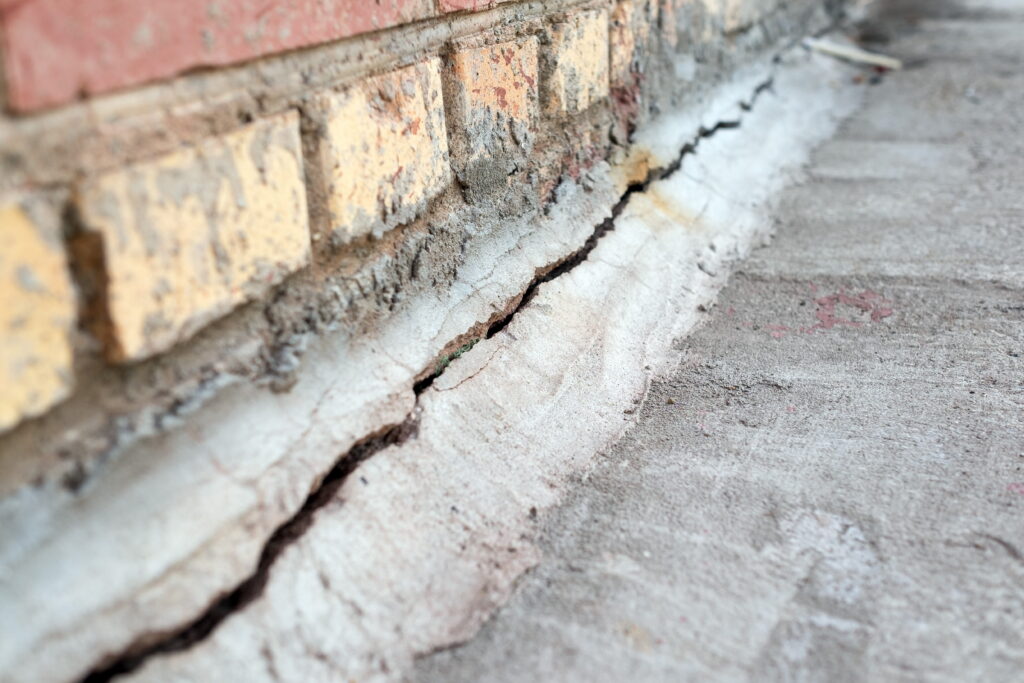
If you spot new cracks in your foundation, especially horizontal ones or stair-step patterns in brick and block, have a structural engineer or foundation specialist take a look. Some cracking is normal settling, but some isn’t. A professional can tell the difference, unlike a YouTube video.
🏠 Own a home in the Corridor? Read more about how to shop for home insurance and protect your investment beyond the to-do list.
When It’s a Toss-Up
A few spring tasks land somewhere in the middle. Whether you DIY or call someone for help depends on your comfort level, your tools, and how well you know your home.
Pressure Washing
This task is satisfying and relatively safe for most homeowners, but technique matters. Using too much pressure on the wrong surface (old wood siding, aging mortar, delicate trim) can cause damage. If you’re renting a machine for the first time, start conservatively.
Deck Staining or Sealing
This is a DIY-able project, but prep work will determine the outcome of your work. If the deck needs significant cleaning, sanding, or repair work, factor that into your time estimate. Rushing the prep leads to a finish that won’t last.
🤔 Considering a composite deck to cut down on maintenance? Check out our guide, Wood or Composite Deck? How to Choose the Right Material and Keep It Looking Great.
Minor Plumbing Fixes
Slow drains, leaky faucets, or running toilets are often an easy fix if you have patience and the willingness to look up a tutorial. But know where to stop. When a simple fix reveals something more complicated, it’s better to call a plumber than to get in over your head mid-project.
If you’re unsure whether you’re up for a project, ask yourself:
- Do I have the right tools?
- Do I understand what I’m getting into?
Calling a pro is the right call if you answer ‘no’ to either of these questions.
A Note for Buyers and Sellers
Thinking about listing your home this spring or in the market to buy? Routine maintenance is a major factor to consider for both your current and future home.
For sellers, deferred maintenance has a way of showing up in the inspection report. Addressing the obvious issues before you list helps the process go more smoothly and signals to buyers that your home has been cared for.
For buyers, a spring purchase is a great time to do a careful walkthrough with maintenance in mind. Is there evidence of water damage? How does the roof look? Have the systems been serviced?
While these issues alone aren’t reasons to walk away from a home, they do offer important information. And the right REALTOR® will help you know what questions to ask during an inspection.
📋 Thinking about listing this spring? Learn more about how timing and pricing strategy impact how long your home sits on the market.
We’re Here Whether You Need a REALTOR® or a Recommendation for a Licensed Professional
No one wakes up and proclaims, “I’d love to tackle all the tasks on my home to-do list today!” But spring maintenance is a necessary evil if you want a laid-back summer where you can save money for the fun stuff, like a new grill or patio furniture.
Knowing your home project limits isn’t a weakness—it’s the mark of a savvy, efficient homeowner.
Need a recommendation for a home maintenance professional, or want to talk about finding your next home or selling your current one? Reach out today!