
Updated November 8, 2026
When preparing to sell, people often concentrate on their home’s appearance, going to great lengths to make their property look its best. One important factor many sellers often overlook—or underrate—is making sure the home smells its best, too.
It may sound like a no-brainer, but deodorizing your home is just as important as decluttering. No matter how good a home looks, a lingering odor can drive potential buyers away.
Here are 6 buyer-deterring smells our agents commonly encounter when showing homes, and what sellers can do to combat the odor.
1. Pet Odors
At Urban Acres, we love our pets and consider them part of the family. Sharing your home with a pet can bring a lot of joy, but there’s no denying that it can also bring a lot of smells into your home.
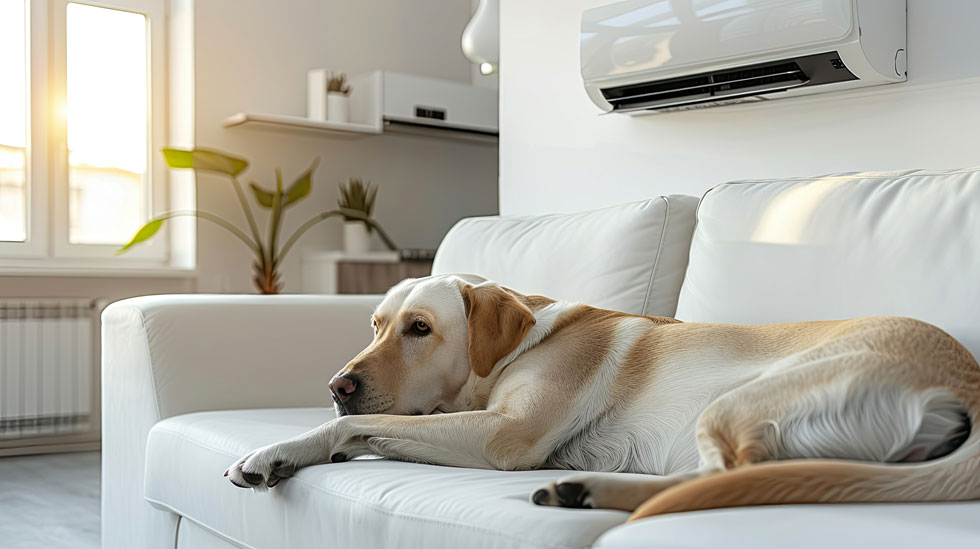
While you may have gone noseblind to your home’s pet-related odors, be aware that buyers will notice. Even if they have pets of their own, potential buyers are sensitive to the smell of your pets.
The most common sources of pet odors tend to be litter boxes and dog beds. But over time, pet smells can work their way into the nooks and crannies of your home, from the carpets to your upholstery and beyond. Pet urine is usually the most egregious offender, whether from the litter box or accidents around the house.
Ways to Get Rid of Pet Odors
How you address the smell depends on the source and severity of the problem.
No matter what, thoroughly vacuuming is a good first step. Even if your pet doesn’t shed, you’ll still want to vacuum all the crevices where your pet likes to hang out to get rid of as much pet dander as possible (remember, some buyers may be allergic). Don’t forget to vacuum furniture and pet beds as well.
If the smell is still ingrained in carpets or other fabric, try sprinkling baking soda—which is naturally odor-absorbing—on the surface before you vacuum. There are also many odor-eliminating powders you can buy that are designed specifically to remove pet smells from carpet and furniture. If these measures aren’t enough, it may be time to enlist the help of a professional carpet cleaner and an upholstery steam cleaner.
We recommend finding a carpet cleaning company that uses hot water extraction rather than carpet shampooing. Unlike shampooing, which can leave behind residue and damage your carpet’s fibers, the hot water extraction method uses jets of hot water—often mistaken for steam—to clean your carpets, pulling up dirt deep in your carpet’s fibers without damaging them.
While carpets tend to absorb the most odors, your hardwood and tile floors will also need some TLC—usually in the form of a good scrubbing. For some extra odor-fighting power, add vinegar to your floor cleaning solution. If you have real hardwood floors, make sure you’re using a wood floor cleaner; a mop and a bucket of water or a generic floor cleaner meant for tile won’t do the trick.
Next, wash any items your pet uses or lays on regularly. This includes pet beds, furniture/cushion covers (if they are removable), and pet blankets. When in need of some extra scent-fighting power, add baking soda to your regular detergent.
Be sure to also clean any fabrics or linens that might be around to harbor lingering odor—think drapes, rugs, and bedsheets (especially if your pet likes to cuddle with you at night). Remember to include pet crates in your list of items to deep clean.
For sellers with feline friends, tackling the litter box situation is a must. Even if you scoop the litter box daily, it’s worth a deep clean—dump all of the litter, scrub thoroughly, and replenish with completely fresh litter. Again, a sprinkle of baking soda on top can provide more odor-absorbing firepower. Be sure to vacuum any stray litter that may have been tracked out of the litter box.
Unfortunately, if your pet is accident-prone, even these measures might not be enough. Pet urine can seep through carpets and hardwood floors, causing the smell to linger in the subflooring despite all your deep-cleaning efforts. In these situations, new flooring—including subflooring, if needed—may be in order. While this is usually only necessary in extreme cases, be sure to talk to your agent before undertaking this project, as this is a more costly measure.
If you really want to address the pet smells at the source, look no further than your furry friend. It may be time for them to take a trip to the bathtub or the groomer. Though it’s not always necessary, removing your pet from the home while it’s on the market is often a good idea. It can also help prevent the return of smells after all of your hard work deodorizing.
For other animals—hamsters, hedgehogs, lizards, birds, and so on—a deep clean of the cage or tank and surrounding areas should do the trick.
2. Smoke
Cigarette smoke is one of the hardest smells to get out of a home and unfortunately, one of the most likely to turn a buyer away. Our agents have found that even buyers who are smokers are sometimes repelled by homes that have been smoked in.

Though some homeowners limit their smoking to a certain area of the home—the garage, the porch, the deck—the smell often still works its way into the home through vents, clothes, hair, and so on. If you smoke in or around your home, taking the following steps to address the smell sooner rather than later can help set you up for a more successful sale.
Ways to Get Rid of the Smoky Smell
The smoky odor tends to permeate every surface and material in the home, making this one of the more difficult odors to eliminate. How you address the smoke depends on the severity of the smell and how ingrained it is in the home.
First things first: air out the home as much as possible. Crack the windows and place fans near them to draw in as much fresh air as possible.
Next, have the carpets steam cleaned. If that doesn’t do the trick, new flooring may be in order, whether you opt to replace the carpet or put hardwood flooring in instead.
Then it’s time to tackle the walls. A fresh coat of paint can help trap the smoke and prevent it from further permeating the home. Some paint brands—such as KILZ®—even specialize in odor-neutralizing paint. Don’t forget to give the ceiling a fresh coat, too.
Even with the walls and floors taken care of, other hard surfaces of the home could still be harboring smoke. White vinegar is a natural deodorizer that can be used on most surfaces, such as kitchen and bathroom countertops and the walls. Placing bowls of vinegar around your home can also help suck the smell from the air. Vinegar may not be the most pleasant smell, but it’s often better than the alternative.
Fabric and upholstery also tend to hold on tightly to smoky odors. Wash drapes, furniture and cushion covers, blankets, bedsheets, and so on. Again, baking soda is your friend!
Despite a deep clean of all surfaces, the scent may still linger in the air. Activated charcoal has odor absorbing properties and is often used in these cases. You can buy activated charcoal, which usually comes pre-packaged in a mesh bag, ready to be hung anywhere in your home to start soaking up odors. An air purifier is also a good investment to remove the smell from the air.
If all else fails, severe smoke damage may require professional-grade equipment like an ozone generator. These machines produce ozone gas, which attacks odor-causing contaminants at the molecular level to neutralize severe smells.
Note: Ozone is toxic to inhale and should never be used in occupied spaces. All humans, pets, and plants must be completely out of the home during treatment, followed by a thorough fresh-air flush. Since operating an ozone machine requires strict safety controls and post-treatment ventilation, this is best left to professional restoration specialists as a last-resort fix for severe odor cases.
The good news? Smoking rates have hit an all-time low throughout the U.S., meaning the number of homes with smoking odors is likely declining as well. If you’re the seller, try to smoke outside the home while your home is on the market to avoid further contributing to the smell in your home or undoing your hard work deodorizing.
3. Must, Mold, and Mildew
Must, mold, and mildew aren’t just bad smells—they can also indicate underlying problems with the home, like leaks and water damage. They harbor the potential for health problems as well.

Mold thrives in damp places like basements, bathrooms (especially in or around the tub, shower, sink, or toilet), attics, HVAC vents, and air ducts. Drains are another common culprit. Last but not least, don’t forget that your appliances can take on a mildew smell as well, especially washers, dishwashers, and even fridges.
Ways to Get Rid of Mold Odors
Getting rid of a musty smell usually boils down to getting rid of the mold itself. If the situation is mild enough to DIY, scrub the affected non-porous surfaces with a mold cleaner, bleach mixture, or ammonia solution.
Important: Do NOT mix ammonia and bleach, as it will create toxic fumes; use one or the other.
For a more natural remedy that works on porous surfaces such as wood or drywall, white vinegar is often used. Remember that mold spores can travel while you clean, so it’s important to wear protective gear while you work—goggles, gloves, and a mask.
Much like you want to stop home smells at the source, it’s important to stop mold at the source. Getting rid of the visible mold won’t fix the root problem creating the mold in the first place. This is where a professional often comes into play, working to detect leaks, water damage, and potential cracks in your home’s foundation.
Want to take preventative action against the mold? It’s almost always a good idea to invest in a dehumidifier. Place the dehumidifier in the damp, mold-prone areas of your home to help draw the excess moisture out of the air.
For appliances, the solution is usually much simpler. A box of baking soda in the fridge can help absorb odors—and of course, get rid of any moldy or expired food that may be shoved in the back and contributing to the smell.
Washers—especially front-loading washers—are notorious for harboring musty smells that can seep into your clothes during the wash cycle. The solution: wash your washer.
First things first: drain your washer and clean the filter. To do this, find the access panel (usually located near the bottom front of your machine). Place a small bucket below the panel. Open the panel, pull the drain hose out, and drain the water. Then unscrew the filter and clean it with a paper towel. If the residue is stubborn, try soaking the filter in hot water for a few minutes.
For front-loading washers, the next step is to scrub the gasket and the rubber ring on the inside of the door to remove all gunk. (Don’t forget to clean the soap dispenser trays, too). Once that’s done, run a cleaning cycle using bleach, a store bought deodorizer—like Affresh—or a natural deodorizer, like—you guessed it—baking soda or vinegar.
The solution for dishwashers is similar. Manually clean the drain and the rubber gasket seal around the edges of the dishwasher door. Then run a cleaning cycle using a commercial dishwasher cleaner or a bowl full of vinegar dumped in the bottom of your machine.
How to Handle Musty Basement Smells in Fall and Winter
While damp basements are a year-round concern in Eastern Iowa, musty odors often peak as the seasons change. In late autumn and winter, two specific factors turn a mild basement odor into a major issue during showings:
-
Closed-window trapping: Once the cooler Iowa weather sets in and windows stay closed, stale basement air has nowhere to escape. Without regular ventilation, dampness and airborne mildew spores concentrate quickly in lower levels.
-
Furnace startup dust and odors: Turning on the furnace for the first cold snap circulates settled dust, dry heat, and trapped basement humidity through your entire duct system, spreading that unmistakable musty smell to every floor of the home.
Quick Fixes Before a Winter Showing:
-
Run a dedicated dehumidifier: Even in colder months, basement humidity can creep up. Keep a dehumidifier running continuously in the basement and empty the basin before potential buyers arrive.
-
Replace HVAC filters early: Swap out your furnace air filter when you transition from AC to heat, and consider an upgraded filter rated for mold spores and odor control.
-
Keep air moving: Set your thermostat fan to ‘ON’ rather than ‘AUTO’ to keep air constantly filtering through your system, preventing basement air from sitting stagnant in lower rooms.
4. Strong Food Odors
Cooking smells are usually thought of as appetizing, but that all depends on what you’re cooking. Overpowering spices, garlic, bacon, and fish—or any seafood, really—are usually the worst offenders.

Photo by Caroline Attwood on Unsplash
Remember that everyone has different palettes; cooking aromas you love may be nauseating to someone else.
What to Do About It
Luckily, this one has a fairly simple solution: avoid cooking any overly fragrant foods the night before or in the hours leading up to a showing. And while we’re on the topic of kitchen odors, don’t forget to take out the kitchen trash before a showing, especially if it contains food remnants.
5. Dirty Clothes
Your sweaty gym clothes sitting in the laundry room hamper might not seem like a big deal, but they can stink up a laundry room fast. And those ripe old tennis shoes sitting in your shoe rack by the front door? That’s the last thing buyers want to smell as soon as they step in the door.

While fairly minor compared to some of the odors above, it’s all part of making a good first scent impression—even in the laundry room.
What to Do About It
The solution to this one is simple: do the laundry. Not only will it get rid of the dirty clothes smell and cross a chore off your to-do list, but it can lend your house a fresh laundry smell without being overpowering.
Sometimes a little bit can go a long way, which is why we also suggest washing the sheets on all of the beds.
6. Overpowering Artificial Scents
The old adage “too much of a good thing is a bad thing” applies here. Some people are very sensitive to strong, overwhelming scents, and the last thing you want is for potential buyers to leave with a smell-induced headache.

Photo by DP Singh Bhullar on Unsplash
Aside from being a sensory overload, too many artificial smells from candles, air fresheners, and so on might make buyers wonder what you’re trying to cover up. As any agent will tell you, it’s better to address unpleasant smells at the source rather than trying to cover them up—the buyer will find out sooner or later.
What to Do About It
Go easy on the wax warmers, wall plug-ins, candles, room sprays, potpourri, air fresheners, diffusers, and other scent-based products when preparing for a showing. Moderation is key; a little goes a long way. Your best bet for a great-smelling home is good ol’ fresh air.
Getting Rid of Smells from Previous Owners
Buying a home is an exciting milestone, but stepping through the front door of your new home, only to be greeted by the lingering scent of the previous owner’s cooking, pets, or lifestyle, can put a damper on the celebration. Even if a home passed the white-glove inspection, lingering odors settle deep into carpets, ductwork, and walls.
If you’ve just closed on a home and want to start with a clean slate, here’s how to tackle those stubborn smells before you unpack:
-
Air it out immediately: Open the windows to get some cross-ventilation going. Running the HVAC fan continuously (or having the air ducts professionally cleaned if the smell is severe) will keep stale, trapped air moving out.
-
Deep clean carpets and hard surfaces: Don’t rely on the seller’s final cleanup. Rent a hot-water extraction machine for the carpets or treat them with an odor-neutralizing powder. Wipe down all hard surfaces, including baseboards, interior doors, and kitchen cabinets, with a water-and-vinegar solution to strip away residual oils and smoke film.
-
Neutralize the air: Place bowls of white vinegar or activated charcoal in rooms overnight to absorb lingering airborne molecules without masking them with heavy artificial fragrances.
-
Call in local professionals: If the odor persists after a deep clean, particularly with heavy pet dander or smoke, don’t hesitate to bring in the pros. Whether it’s a specialized carpet cleaning service or a technician to check your home’s ventilation, getting expert help early ensures you aren’t living with someone else’s ghosts.
Quick Hacks to Neutralize Everyday Household Odors
Not every unpleasant scent in a home stems from a major issue like pet accidents or water damage. Often, a combination of daily living—trapped humidity, trash bins, pet dander, and cooking oils—creates generic household odors that linger unnoticed by sellers but stand out to potential buyers.
If you’re prepping for photos or an open house, these low-effort, high-impact strategies eliminate routine household odors at their source:
-
Baking soda in high-traffic zones: Place open boxes or shallow dishes of baking soda near trash cans, in shoe closets, and inside pantry corners. It absorbs ambient scents without introducing heavy perfume.
-
Deep clean trash bins and disposal units: Spray down kitchen and bathroom wastebaskets with a disinfectant spray, and run lemon wedges or ice cubes down the garbage disposal to break up trapped grease.
-
Refresh soft surfaces: Curtains, throw pillows, and fabric sofas absorb everyday smells over time. Spritz upholstered furniture with a fabric-safe odor eliminator, or wash removable slipcovers before showings.
-
Leverage natural airflow: Run exhaust fans in the kitchen and bathrooms for 15 to 20 minutes after cooking or showering to prevent moisture and odor molecules from drifting into neighboring rooms.
A Few More Things
Noseblindness
Noseblindness may not be a real word, but it is a real phenomenon. Our noses acclimate to certain home smells over time, meaning that you may have become so used to your home’s particular odors that you don’t even know they’re there. Before you list, it’s not a bad idea to obtain a second scent opinion on your home, whether from your agent or an honest friend. In other words, smell before you sell!
What if I can’t visit the home in person before I buy?
With the popularity of virtual 3D tours, video tours, and even FaceTime tours, it’s no longer necessary for buyers to physically set foot in a home before they buy it. And while technology goes a long way in allowing you to explore a home from afar, real estate tech can’t allow you to smell a home virtually—yet, anyway.
You’ve heard the saying “see for yourself,” but there’s a lot to be said about smelling a home for yourself. If you’re seriously considering a home and aren’t able to visit in person, your agent can act as your boots on the ground—or in this case, your nose on the ground. It’s important to have an agent you trust to give an honest assessment of the odor situation in the home, if there is any. They can also help talk you through your options if an unpleasant smell is found.
Attack home smells at the source
We’ve mentioned it already, but we cannot stress this part enough. There’s a huge difference between masking an odor and eliminating it. Covering up the odor with perfumes and air fresheners may—strong emphasis on the word may—do the trick to get your home sold, but as professionals, we strongly advise against it.
Buyers are smart; heavily perfumed rooms will trip their mental alarm bells. If buyers do detect an odor, they may lower their offer as a result. At the end of the day, you’re better off investing the time and effort into locating the odor’s origins and stopping the problem at the source.
One Last Note
Making a good first impression on the market also means making a good first impression on buyers’ noses. Fix the odor at its source rather than attempting to mask it. And if you’re a buyer, keep your nose on high alert during showings.
From professional cleaners to painters and floor installers, your agent can recommend the local help you need to treat the root cause of any odors. Whether you’re planning to sell or preparing to buy, our agents can help you steer clear of a smelly situation. Reach out today!