A sewer scope inspection is a camera exam of the main sewer line from your home to the city connection. It flags hidden issues like tree root intrusion, cracked or sagging pipes, and aging materials.
Standard home inspections only cover what’s visible inside the house. If you’re buying an older home, a sewer scope inspection is a small extra fee that can save you thousands down the road.
Curious how a technician inspects a pipe that’s six feet underground? In this post, we’ll break down why it’s worth the investment, what it costs, and what common questions buyers ask before scheduling a sewer scope inspection.
How a Sewer Scope Inspection Works
An inspector feeds a small waterproof camera through an access point in your yard or basement. As the cable feeds through the pipe, the inspector monitors a live video stream to look for cracks, tree roots, sagging sections, or decaying clay and cast iron.
The process usually wraps up in about 30 to 60 minutes, and you’ll get a full video recording, along with a written report.
Why It Matters Around the Corridor
Pipe age and materials vary block by block across eastern Iowa. Many older areas in Iowa City, like Longfellow, the Northside, or Manville Heights, still rely on clay tile lines installed in the mid-1900s. Crews laid these pipes in short sections with joints every few feet, creating gaps where mature tree roots can easily slip through. Combined with Iowa’s intense freeze-thaw cycles and shifting soil, rigid clay can’t flex like modern plastic.
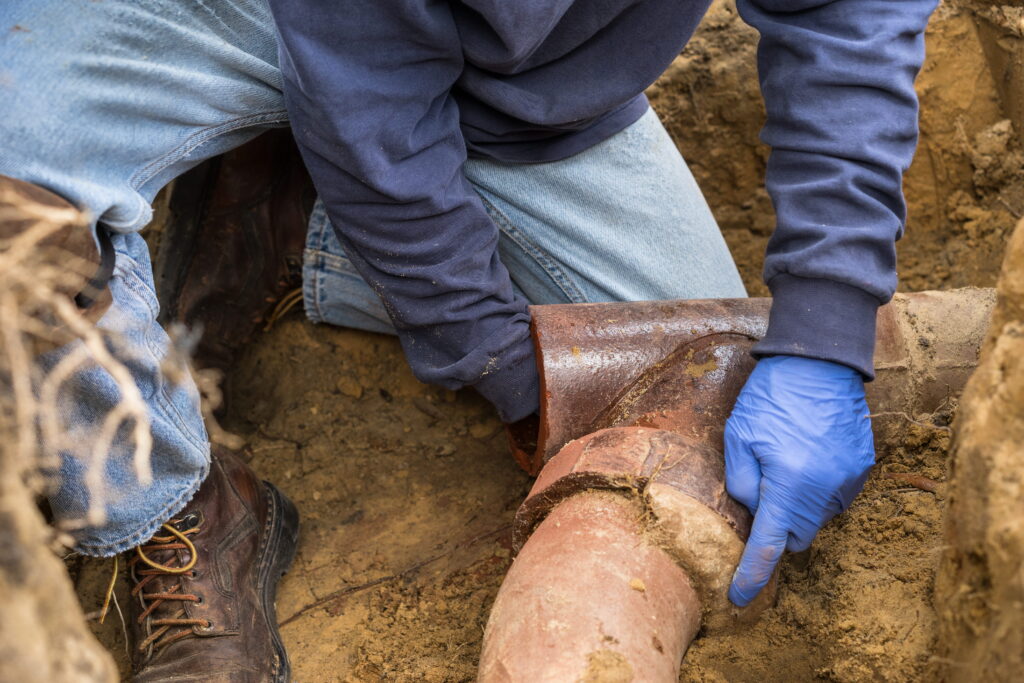
You’ll see a similar pattern in Cedar Rapids neighborhoods like Wellington Heights and Mound View, where Orangeburg sewer lines are common. Manufactured between the 1950s and 1970s from compressed wood pulp and coal tar pitch, these fiber pipes were only built to last 30 to 50 years. Today, most Orangeburg pipes have reached the end of their lifespan.
By contrast, new builds in North Liberty or Tiffin usually have PVC, which holds up far better and rarely needs the same level of scrutiny.
Assessing your sewer lines takes specialized camera equipment most home inspectors don’t have. You don’t always need a sewer scope inspection, but if you’re buying a pre-1980s home in an established neighborhood, you’re taking a risk by skipping it. Plus, it’s worth the peace of mind.
When You Should Get a Sewer Scope Inspection
Timing in the Homebuying Process
Get the scope scheduled as soon as the sellers accept your offer. Most purchase contracts give you 10 to 14 days to complete inspections and negotiate repairs or credits.
Waiting until the end of that window puts you in a bind if the inspector’s schedule is full. If the scope reveals a crushed pipe or heavy root damage, you’ll also want plenty of time left on your contingency to figure out repairs or negotiate with the seller.
Note: If you’re on a septic system rather than city sewer, a septic specialist usually evaluates the tank and drain field at the same time.
What Warrants a Closer Look
The year the house was built is usually your biggest clue. Pre-1980s homes often still have original lines running to the street, and those materials don’t last forever.
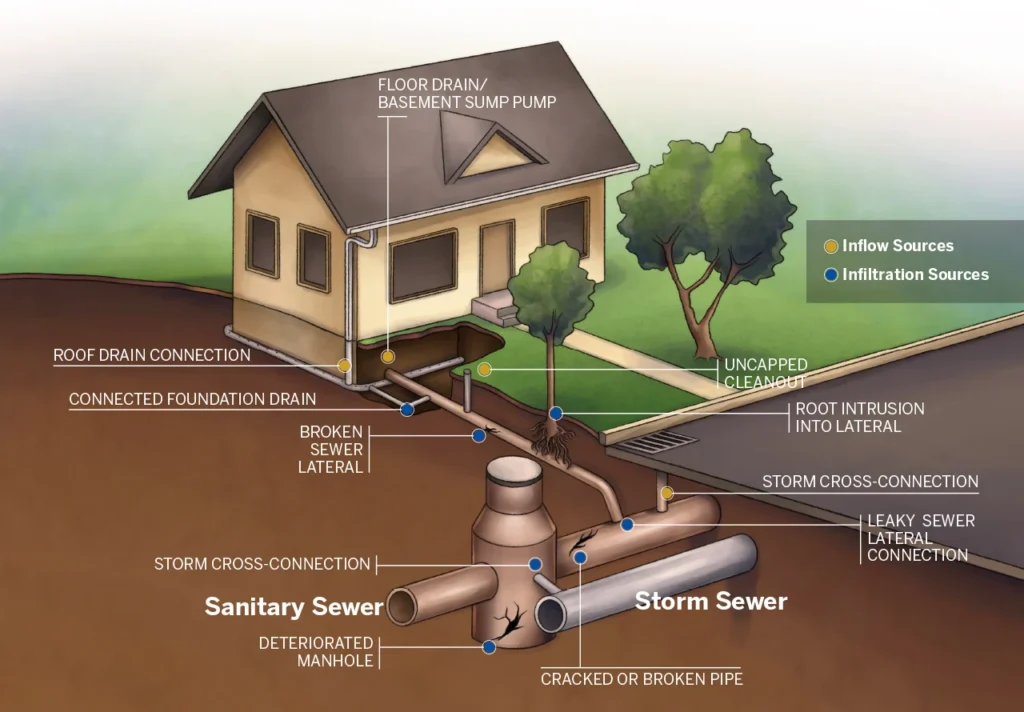
Mature trees are also a major factor. Even with homes built in the 80s or 90s, root systems have had decades to spread, and you never really know if they’ve pushed their way into the lines.
Source: The City of West Des Moines
Schedule a scope if you notice:
- Mature trees along the pipe path: Roots gravitate toward water, making old pipe joints an easy target. Even if you don’t know where the line runs, large trees near the foundation or between the house and street are worth flagging.
- Backups across multiple fixtures: Slow drains in more than one room may point to an issue deep in the main line.
- A mysterious wet spot in the yard: Unexplained dampness in the grass can be the first sign of a leaking underground pipe.
These things don’t automatically mean you’re facing a catastrophic repair bill before you move in. But you shouldn’t skip the inspection if anything seems suspicious.
If you’re buying a newer home with PVC pipes, a sewer scope inspection is a much lower priority, though many buyers will still order one for peace of mind.
What a Sewer Scope Costs in the Iowa City-Cedar Rapids Corridor
In the Corridor, a residential sewer-line camera inspection costs between $250 and $350 for a straightforward, standalone scope through an accessible cleanout.
A basic camera pass is usually on the lower end of that range, while a full package—complete with saved video, a written report, and above-ground locator services—can push closer to $350. If you have a missing or hard-to-reach cleanout, an unusually long run, or a clogged line that has to be cleared before the camera can pass through, you should expect to pay extra.
Here’s a helpful script you can use when getting local quotes, though your agent can usually assist with getting a scope scheduled:
“I’m buying a home and need to schedule a residential sewer lateral scope in the Iowa City/Cedar Rapids area. Can you please quote the all-in price for a scope through an existing cleanout, including recorded video, a written report with distance markers and pipe condition, and an explanation of whether the camera reaches the city connection.
If you find a defect, what does camera locating/marking cost? If the line is blocked, do you stop for approval before cleaning, and does the quote include a re-scope after?”
Adding another $300 to your closing costs when you’d rather be shopping for a new couch isn’t fun. But compared to the price of digging up your new front yard, a scope is cheap insurance. Replacing a collapsed main line can easily run into the thousands, so spending a few hundred upfront to know what’s under the lawn is always a smart trade.
If the Inspection Finds a Problem
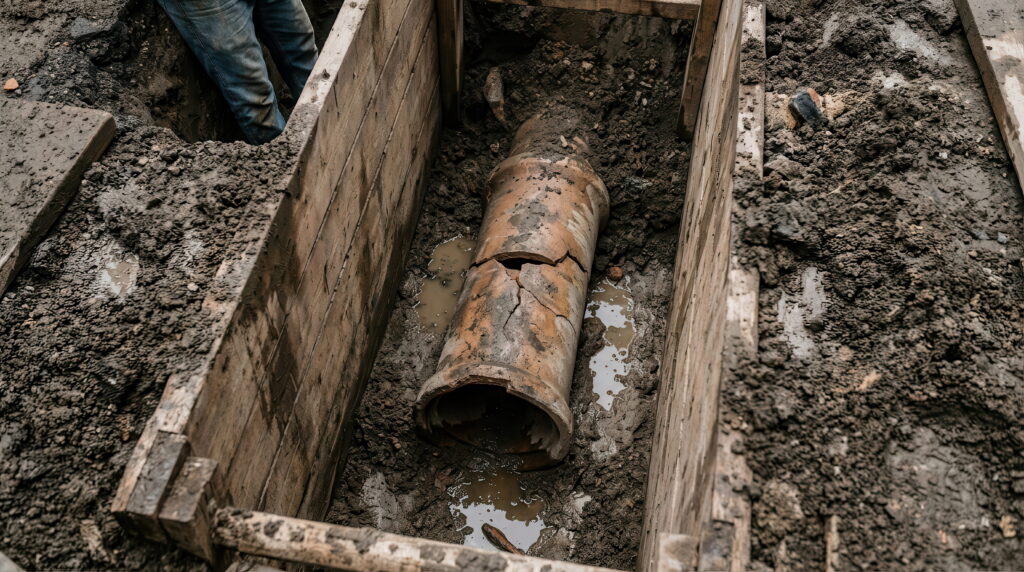
Spotting trouble on the camera feed isn’t always a deal-breaker. In most cases, buyers can ask the seller to handle the repairs before closing, request a credit toward closing costs, or adjust the purchase price. The best option depends on the severity of the problem and how negotiations are going.
Having an experienced agent with local expertise is a huge benefit. An agent who’s read through dozens of these reports can tell you whether a spot of root intrusion is a $150 maintenance fix or the first sign of a collapsing pipe and help you decide if it’s worth digging in your heels or walking away.
Frequently Asked Questions About Sewer Scope Inspections: A Recap
Is a sewer scope inspection worth it?
Yes, especially for older properties or yards with big trees. Paying $300 upfront is a small price to pay to avoid inheriting a multi-thousand-dollar pipe failure.
How long does the inspection take?
Usually 30 to 60 minutes. Timing mostly depends on the length of the run from the house to the street and how accessible the basement or yard cleanout is.
Is a sewer scope included in a standard home inspection?
No—a sewer scope is a specialized add-on you’ll need to request separately through your home inspector or a local plumber.
Can I attend the inspection in person?
Yes, but it’s not necessary since you’ll get a report and video explaining the inspector’s findings. If you want to attend the inspection, you’ll need to coordinate with your REALTOR®.
Decoding Your Inspection Report (And What Comes Next)
Opening up a video report full of dark pipes and blurry roots can feel pretty overwhelming. That’s exactly what your agent is there for—to offer reassurance and advice. We can read between the lines of a sewer report and help you decide whether to negotiate repairs or credits with the seller.
If you’re on the fence about booking a scope or just got a report back that made your heart sink, talk it over with your agent.
Still have questions we didn’t answer? Don’t hesitate to reach out!