You’re driving an hour round trip every day to help a diabetic parent with medications and meals. Your college graduate moved back home, but you’re all feeling cramped in the same home. You’re planning for your own mobility needs as you age in place.
These are all scenarios where an accessory dwelling unit (ADU) might make sense for your family. On July 1, 2025, every single-family homeowner in Iowa gained the legal right to add a secondary living space to their property with the Iowa ADU law change.
This change could transform how we think about housing, caregiving, and financial planning—whether you’re a current homeowner considering your family’s future or a prospective buyer looking for properties with greater flexibility.
What are Accessory Dwelling Units?

An accessory dwelling unit, or ADU, is a small, self-contained living space on the same property as your main home. You probably know them as granny flats, in-law suites, carriage houses, or garage apartments.
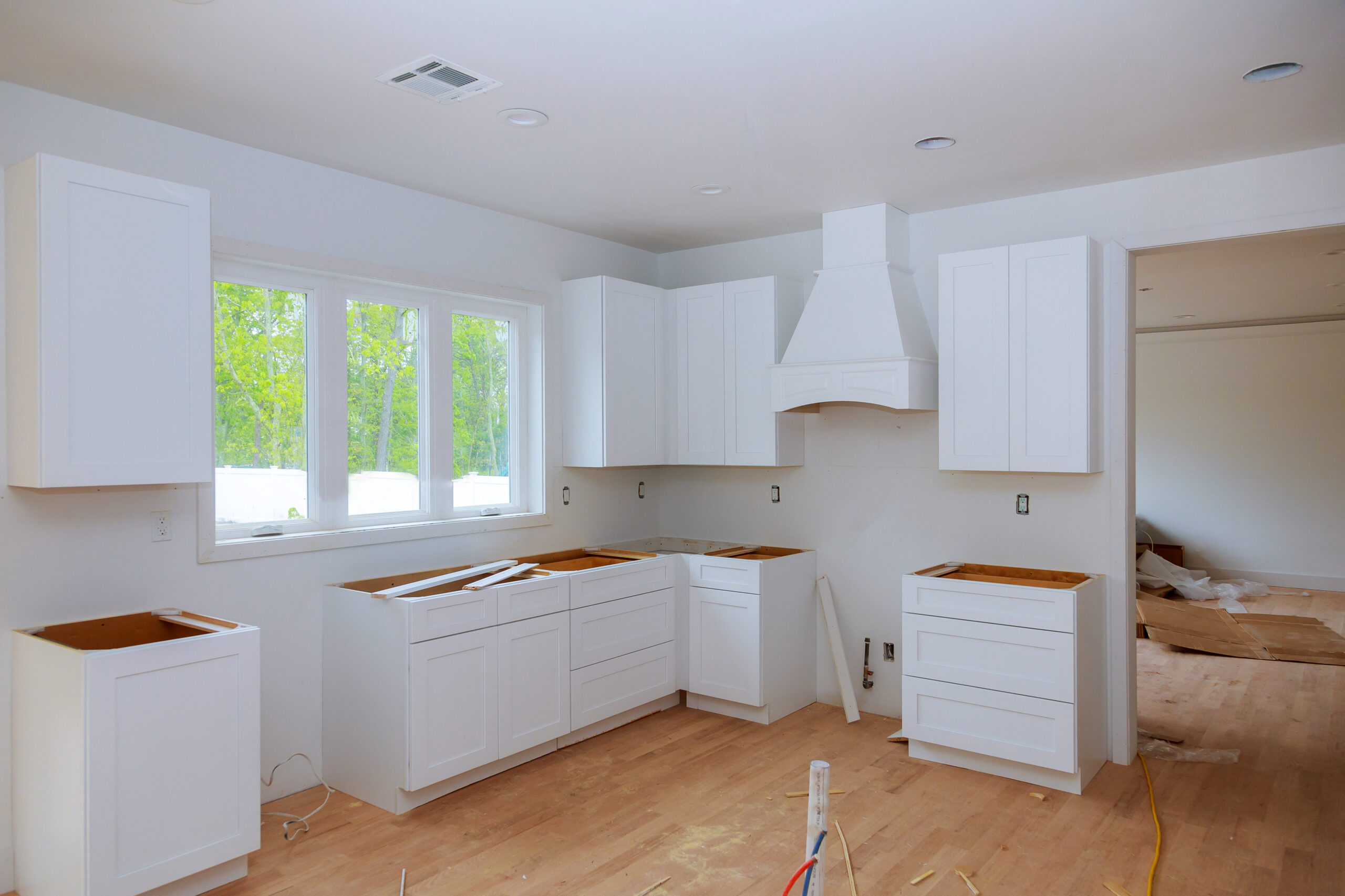
ADUs aren’t extra bedrooms or finished basements. They’re complete living spaces with kitchens, bathrooms, and sleeping areas. Most have separate entrances, giving occupants privacy while keeping family close.
In recent years, alternative housing trends like barndominiums and tiny homes have grown in popularity. However, local regulations muddy the waters. Many Iowa counties, including Johnson County, have minimum dwelling size requirements and require that structures be built on a permanent foundation.
ADUs are no exception. They still have to follow size and design standards. The same applies to manufactured homes and mobile homes on single-family properties with primary residences. They must sit on a permanent foundation and be assessed for real estate taxes.
What Changed in the Iowa ADU Law

For years, your ability to build an ADU in Iowa depended on where you lived. Cities like Des Moines allowed ADUs in certain areas, while others banned them completely. Variable local regulations made this housing option inaccessible for many families, even when it would have fit their needs perfectly.
In May 2025, Governor Kim Reynolds signed Senate File 592 into law, making Iowa the 14th state to legalize ADUs statewide. Every single-family homeowner in Iowa can now add at least one ADU on a lot without having to navigate rezoning or special-use permits.
Under the new Iowa ADU law, an ADU can’t exceed 1,000 square feet or half the size of the primary residence, whichever is larger. Let’s say your home is 2,500 square feet. Your ADU could be up to 1,200 square feet. But if you have a smaller home—say 1,500 square feet—and your allotted ADU square footage is less than 1,000, you can still build an ADU up to 1,000 square feet.
The new law also prohibits cities and counties from imposing overly restrictive regulations, including:
- Owner-occupancy requirements: Cities can no longer require the property owner to live in the main residence or ADU.
- Familial, marital, or employment relationship requirements: Restrictions on who can occupy the ADU based on relationship to the primary resident are prohibited.
- Aesthetic matching: Cities and counties can’t require the ADU to match the primary home’s exterior design, roof pitch, or finishing materials.
- Minimum lot sizes, setbacks, and building heights: Local regulations for these factors can’t be more restrictive for ADUs than for single-family residences.
- New or separate utility lines: Localities can’t require new or separate utility lines between the ADU and public utility service connections. If utility access isn’t provided, a separate metering system can be required for billing purposes.
- Additional parking beyond what’s required for a single-family residence: Cities can’t demand extra parking for ADUs or a fee in lieu of more parking.
- Construction timing: ADUs can be built before, during, or after the residence is constructed on the same lot.
What about Homeowners Association (HOA) Rules?

If you live in a community with an HOA, the new law doesn’t automatically override those rules. Some properties are subject to an existing, valid deed restriction or HOA covenant that explicitly prohibits or restricts ADUs. Your best bet is to review your HOA’s Declaration of Covenants, Conditions, and Restrictions (CC&Rs) and Bylaws so you know what you can and can’t build on your property.
But the new law does prohibit cities and counties from imposing regulations on ADUs that are more restrictive when applied to a ‘common interest community’ (like an HOA) than when applied to a single-family residence.
Here’s an example: Before the law change, a city might have required ADUs inside an HOA to be no larger than 500 square feet. Homeowners who want to build an ADU must also have a special hearing with the planning commission. Meanwhile, those homeowners with no HOA could build an ADU up to 1,000 square feet with no owner occupancy rules and a five-foot setback.
Now that the law has changed, the city’s municipal ADU rules must be consistent and can’t be more restrictive for properties within an HOA than for those outside of it. This means that if an ADU outside of an HOA can be up to 1,000 square feet, so can an ADU within an HOA.
Types of ADUs
Under Iowa’s new law, ADUs can take several forms:

Detached ADU
Detached ADU
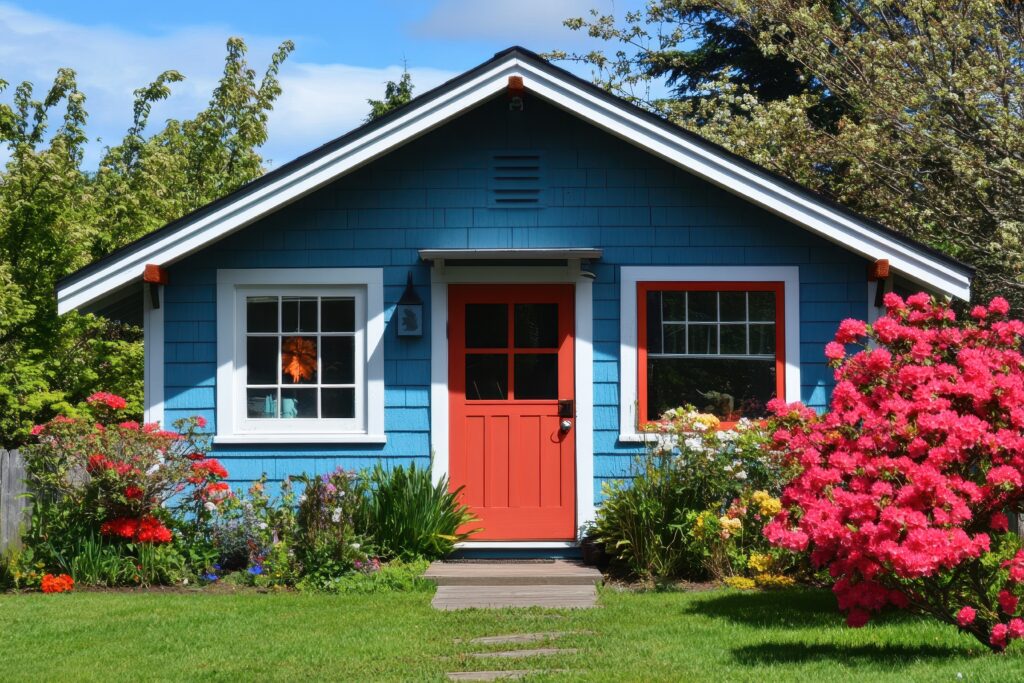
These are standalone structures in your backyard, like a backyard bungalow or converted outbuilding. They offer the most privacy and feel like separate homes.

Garage ADU
Garage ADU
Often the most affordable option, garage conversions turn existing garage spaces into living areas. You can add a second-story ADU above or beside a garage or build a new structure for people and cars.

Internal ADU
Internal ADU
These types of conversions turn unused space in your main home into independent living areas. Homeowners renovate this space to become a separate residence.

Lower-Level ADU
Lower-Level ADU
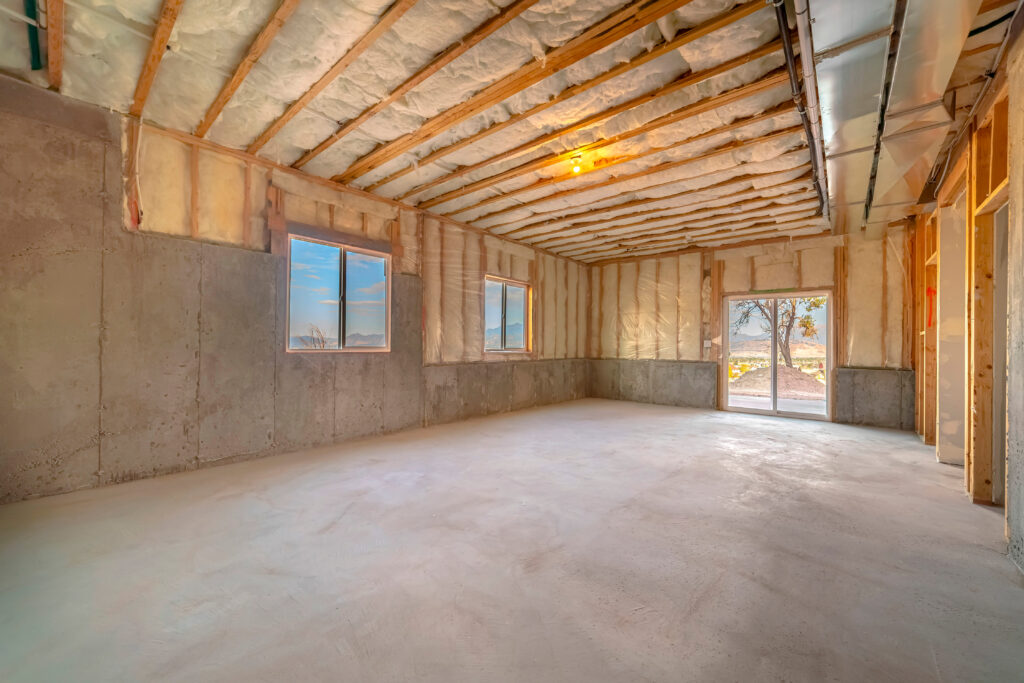
This involves renovating a home’s existing basement to create a new living space. Keep in mind that you must meet all height and safety conditions to build a lower-level ADU.
The Value of an ADU
ADUs shift how we think about housing. Instead of moving when your family’s needs change, you can adapt your property to meet your new circumstances. As housing costs rise and families look for ways to support each other financially and emotionally, this flexibility is a huge selling point.
The financial advantages alone make ADUs worth considering. Between rental income potential, increased property value, and the ability to house family members who might otherwise need expensive care facilities, ADUs can significantly impact your family’s long-term finances.
And sometimes the real value is peace of mind—knowing your aging parents are safe nearby, or that your adult children have affordable housing while they build their careers.
Benefits for Homeowners

Let’s explore some of the benefits of accessory dwelling units for homeowners:
Freedom to Age in Place
Many people have elderly parents who want to stay in their communities but can no longer manage a large home. An ADU lets them keep their independence while having family support next door. You don’t have to drive across town to check on a parent or worry when you can’t reach them by phone. And you don’t have to choose between caring for an aging family member and taking care of your own family.
Rental Income
As part of the ADU law changes, homeowners no longer have to live in the accessory dwelling unit. This means you can use your ADU to generate rental income. In the Iowa City area, that’s an extra $1,025 – $1,081 a month on average to put toward your mortgage payments, property taxes, or retirement savings.
Flexibility for All Phases of Life
Life throws curveballs. You never know when you might need space for an aging family member or when a close friend experiences a major life transition and needs a place to stay for an extended period of time. ADUs adapt to whatever the future throws your way.
Privacy with Proximity
Multi-generational households have quadrupled since 1971, and that trend continues to accelerate. ADUs give family members their own kitchens, bathrooms, and entrances, so everyone can maintain their routines and personal space while staying close enough to help out.
Starter Home Strategy
First-time buyers can purchase a property with ADU potential and rent out the space to help cover their mortgage while they build equity. It’s a way to make homeownership more affordable in today’s market.
Next Steps for Building an ADU
Ready to explore your options? Here are some things to consider before you get started:
- Start with a property assessment. Think about where an ADU might work, considering privacy, access to utilities, and how an ADU would fit your neighborhood’s character.
- Research local requirements. While state law sets minimum standards, your city may have extra requirements for setbacks, design standards, or parking. Contact your local building department to understand regulations in your area.
- Consider your family’s future needs. Do you have aging parents who are likely to need support in the coming years? Adult children who might need more affordable housing? Understanding your goals helps guide design decisions.
- Explore financing options. Start conversations with your bank or credit union about home equity products or renovation loans. Some lenders are more familiar with ADU projects than others, so shop around for the best terms.
- Connect with experienced professionals. Look for architects or contractors who have experience with ADU construction. At Urban, we have relationships with trusted local professionals who can help guide your project from concept to completion.
Remember, ADU construction is a major investment. But it can pay dividends for years through family flexibility, rental income, and increased property value.
How Urban Acres Can Help
We’re excited about the possibilities new ADU laws create for Iowa families. Understanding which neighborhoods offer the best opportunities can help you evaluate properties with potential.
As your neighbors, we’re here to help you navigate those changes, whether you’re ready to plan an ADU project or just want to understand the impact on your property value.
Reach out today and let’s explore how the new law might benefit your family’s future!