If you’ve been house hunting this year, you’ve probably noticed that homes are starting to look and feel different. The sterile Instagram-perfect spaces that dominated the 2010s are giving way to something warmer, bolder, and more personal.
We asked our agents what home trends and designs they’re seeing from buyers and sellers, and also explored some national trends. The common thread?
Buyers are over photo-ready, cookie-cutter spaces that look great but feel cold in person. They want color, character, comfort, and homes designed to fit their lifestyle.
Goodbye Gray, Hello Color
We’ll come right out and say it: the millennial gray era is over, and buyers couldn’t be happier.
REALTOR® Andrea Hicks says, “Gray is out for flooring and wall color. Warm tones are in.”
Tricia Van Roekel agrees—the gray-toned floors and walls you once saw everywhere a few years ago are now seen as cold or generic.
Earlier this month, Pantone named Cloud Dancer, an ethereal white, as their 2026 Color of the Year, positioning it as a symbol of “calming influence in a frenetic society.” The internet had thoughts. Critics called it “as inspired as mayonnaise” and said it gives “unseasoned chicken” vibes. Ouch!

Photo Credit: Pantone
But buyers truly do want a fresh start. Our agents are seeing that—only it’s not coming in the form of more white walls. After years of colorless spaces, people are craving the opposite. The fresh start they’re seeking involves adding color back into their homes.
Designers are leaning into a technique called ‘color drenching’ where they coat an entire room—including walls, ceiling, trim, and doors—in one rich hue. It creates a cocooning effect that makes spaces feel intentional and moody. Deep earth tones and jewel tones are popular picks.
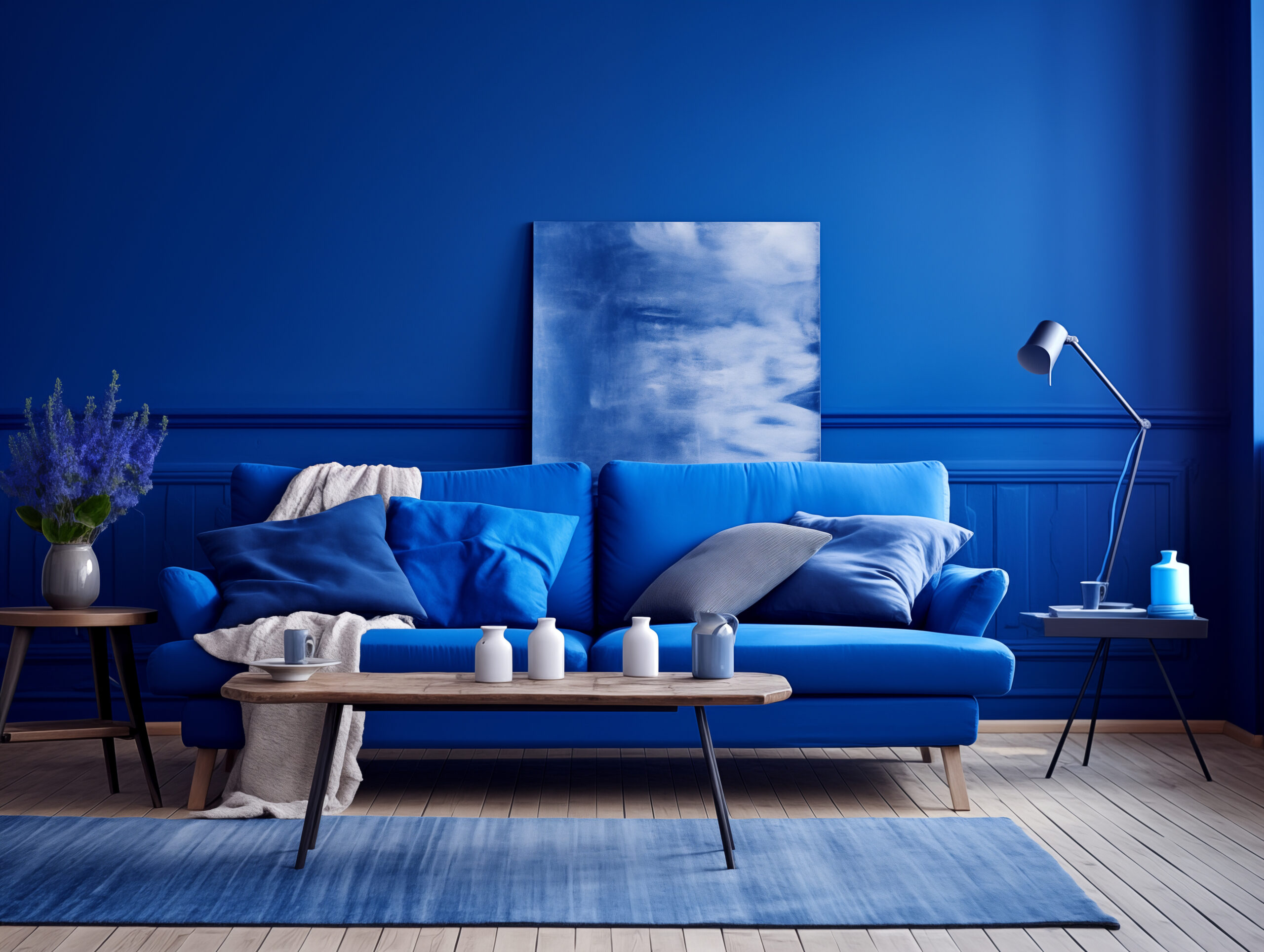
The 2026 palette leans into what designers describe as ‘muddy’ and grounded—charcoal-infused umbers, transformative teals, terracotta, and mossy greens. There’s also talk of glacial blues making an appearance as a cool contrast, but the overall vibe is warm.
Andrea likes Alabaster for walls: “It’s creamy and a soft color.”
Kimberly Martinez says people are ready to let go of agreeable gray for rich, warmer natural hues.
Carrie Floss sums it up like this: “Cold, minimalist spaces are out. Color is back, with warmer tones and layered textures.”
But if you’re thinking about selling, there’s a nuance. Tricia recommends creating a neutral space with walls and floors, but adding pops of color with pillows and decor.
And Andrea has this advice for big renovations:
“If it’s a big ticket item like a kitchen remodel, do something timeless. Don’t do trendy colored cabinets, or if you want to do a color, maybe an accent, like on a butler’s pantry or island.”
Spaces with Stories
After years of everything looking like it came from the same catalog, people want homes that feel collected and personal. Designers call this ‘Modern Heritage’—mixing vintage and handcrafted pieces with modern furniture, restored woodwork with contemporary sofas, and antique lighting with playful wallpaper.

Photo Credit: sofa.com
Mollie Kilburg is seeing arches instead of squared-off wall openings and more natural wood.
Carrie says, “Buyers want a space with personality!”
It’s all in the details: hand-painted tiles, irregular handmade hardware, and statement lighting that serve as conversation pieces rather than functional fixtures. Some people are even painting their floors. We’ve seen checkerboard patterns, geometric designs, and solid bold colors. It’s dramatic, but when done right, it’s also pretty memorable.
Artisanal and one-of-a-kind objects are replacing mass-produced finishes. The goal is making your space look like you curated it over time, not like you bought everything at once during a weekend shopping spree.
Getting Playful
Design is finally cutting loose. There’s a trend called ‘Fun Haus’ that brings in circus-inspired elements like bold stripes, harlequin patterns, and sculptural furniture with wavy legs or oversized spherical lamps. You get whimsical without seeming childish, even though it might take you back to shows under the big top.
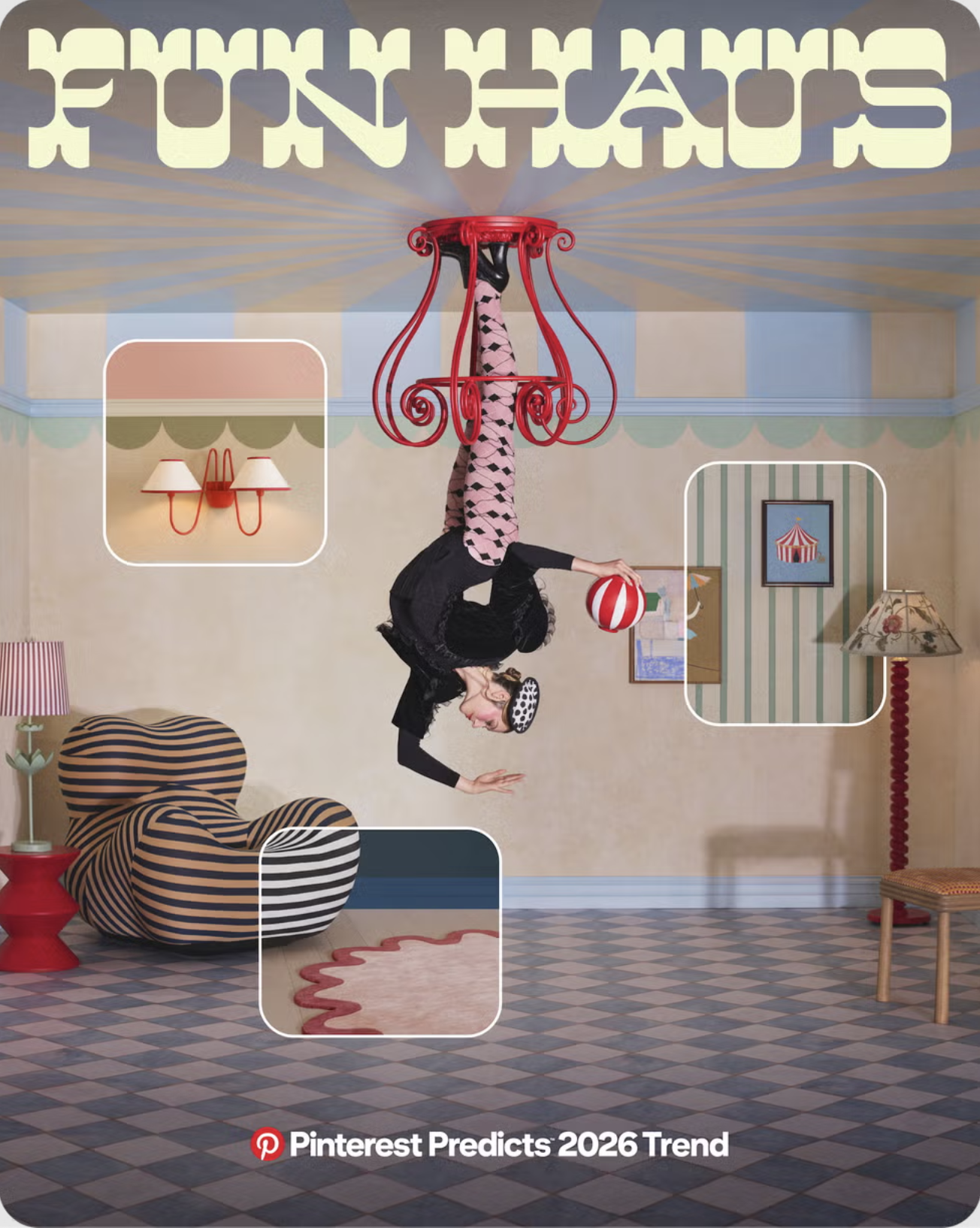
Photo Credit: Pinterest
There’s also ‘Neo Deco,’ which is Art Deco’s moodier, sleeker cousin. Instead of bright 1920s gold, you see chrome or brass edging paired with fluted cabinetry and fan motifs in deep plums and teals. It’s sophisticated with a flair of drama!
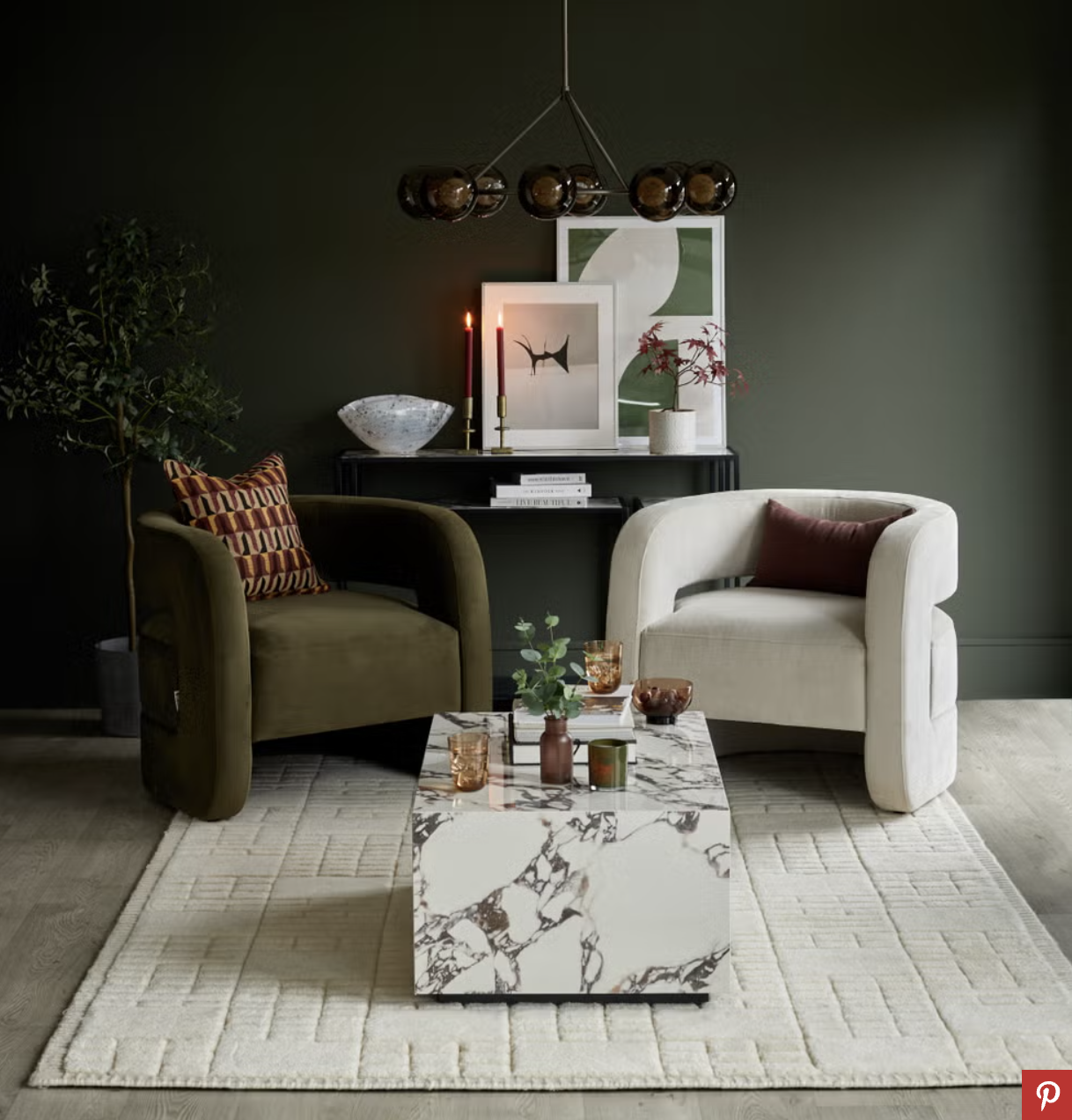
Photo Credit: Danetti
Both of these trends feel like a reaction to years of playing it safe. People are ready to have a little fun with their spaces again.
Materials You Want to Touch
We’re seeing a big shift away from flat, featureless surfaces and toward materials with actual texture. Lime wash walls, plaster, and textured wood paneling are things you want to reach out and touch.
Tricia notes that buyers appreciate “natural, warm finishes: wood or wood-look floors, warm/earthy paint palettes, real materials. These feel timeless, inviting, and tend to appeal broadly.”
Darker wood tones like walnut, mahogany, and oak are also roaring back. Natural wood is showing up in cabinetry and architectural details. There’s something about these materials that makes spaces feel grounded.
Then there’s the sustainability piece:
People are choosing materials like mycelium insulation, hempcrete, and cork, not just because they’re environmentally friendly, but because they have cool textures and interesting stories.
There’s even a quirky trend called ‘Cabbageware’ involving cabbage-shaped ceramics and leaf motifs in kitchens. It’s part of the broader movement toward bringing nature directly into home design through the materials and shapes themselves. And you don’t have to worry about pruning and watering!
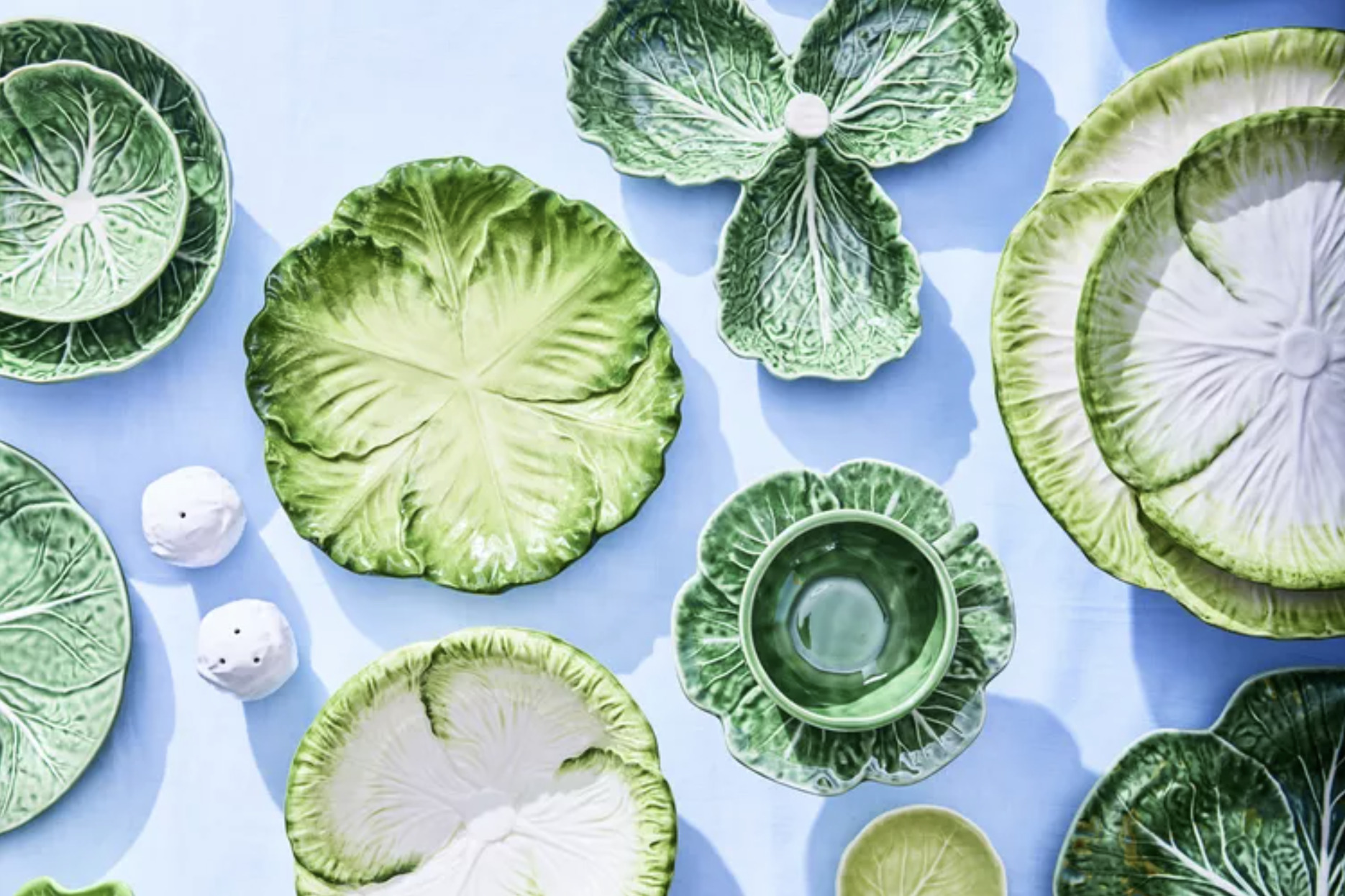
Photo Credit: Robbie Caponetto; Styling: Page Mullins and Cameron Beall
Kitchens That Do More
Kitchens are still the heart of the home, but they’re for a whole lot more than cooking. Tricia is seeing requests for kitchens with coffee/bar stations, wine storage, and workspaces. People are craving multiple functions in one space.
Mollie has seen ‘enhanced pantries’ as the most requested feature right now. But while buyers are looking for functional pantry space, the ultra-organized look with everything in matching jars is losing its luster. It looks great, but it requires constant maintenance and doesn’t match how most people live.
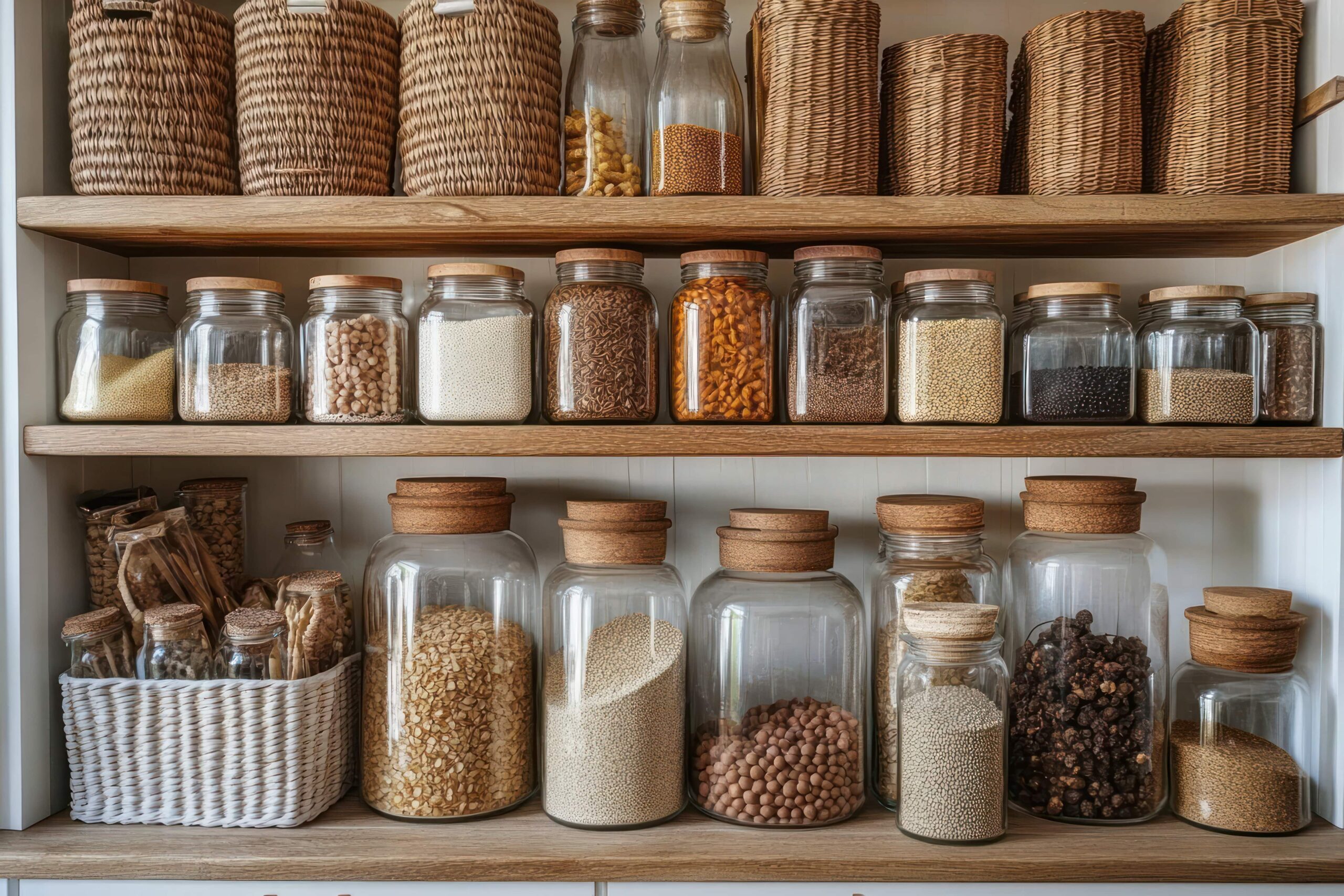
Daphne Patton says that buyers want large kitchen islands at counter height, not raised breakfast bars, which are losing appeal.
People prefer islands that work as both prep space and casual gathering spots without the awkward height difference.
When it comes to flooring, Andrea has a helpful tip: “LVP and laminate flooring design and versatility have come a long way, and I would install those over a prefinished wood floor because there can be a lot of problems with pre-finished wood.”
Rooms Making a Comeback
The fully open-concept layout is evolving. Ellie Campbell confirms that open floor plans are among the features losing steam with her buyers.
Maria McCaw has seen people asking for open floor plans and home offices. But they want flexibility to configure the spaces for their needs, not just wide-open living areas.
If the pandemic taught us anything, it’s that sometimes you need a door between you and the rest of your household. But we’re not going back to chopped-up Victorian floor plans either.
Instead, we’re seeing ‘broken-concept’ designs with custom millwork and glass partitions. Many people are placing furniture strategically to create zones without completely closing off spaces.
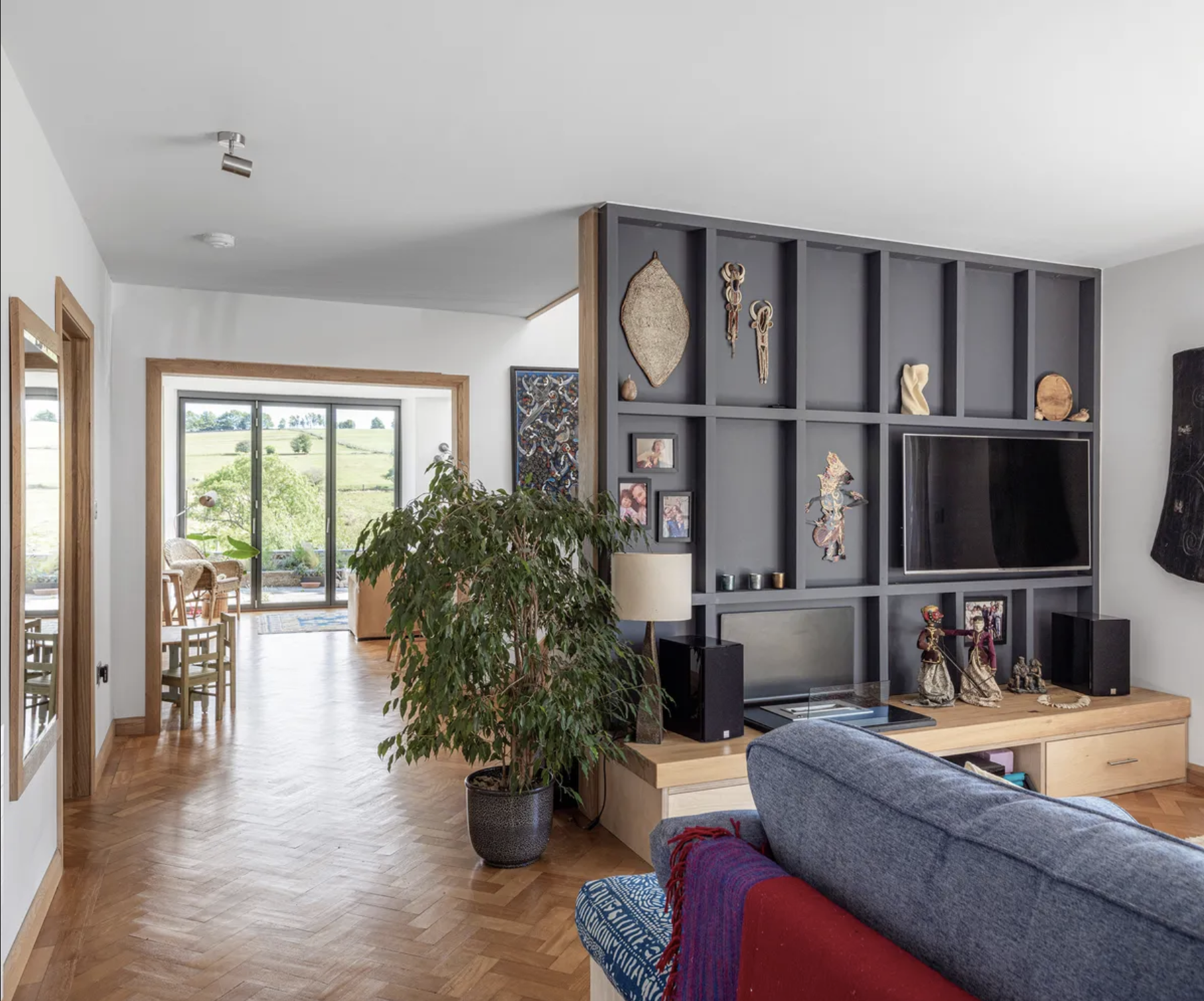
Image Credit: Jeremy Phillips
Social spaces are also getting more specialized. Traditional ‘man caves’ are being replaced with golf simulators, pickleball courts (outdoors, obviously), and at-home sports setups. Living rooms are being arranged for actual conversation, with curved, comfortable seating instead of stiff formal furniture that looks better than it sits.
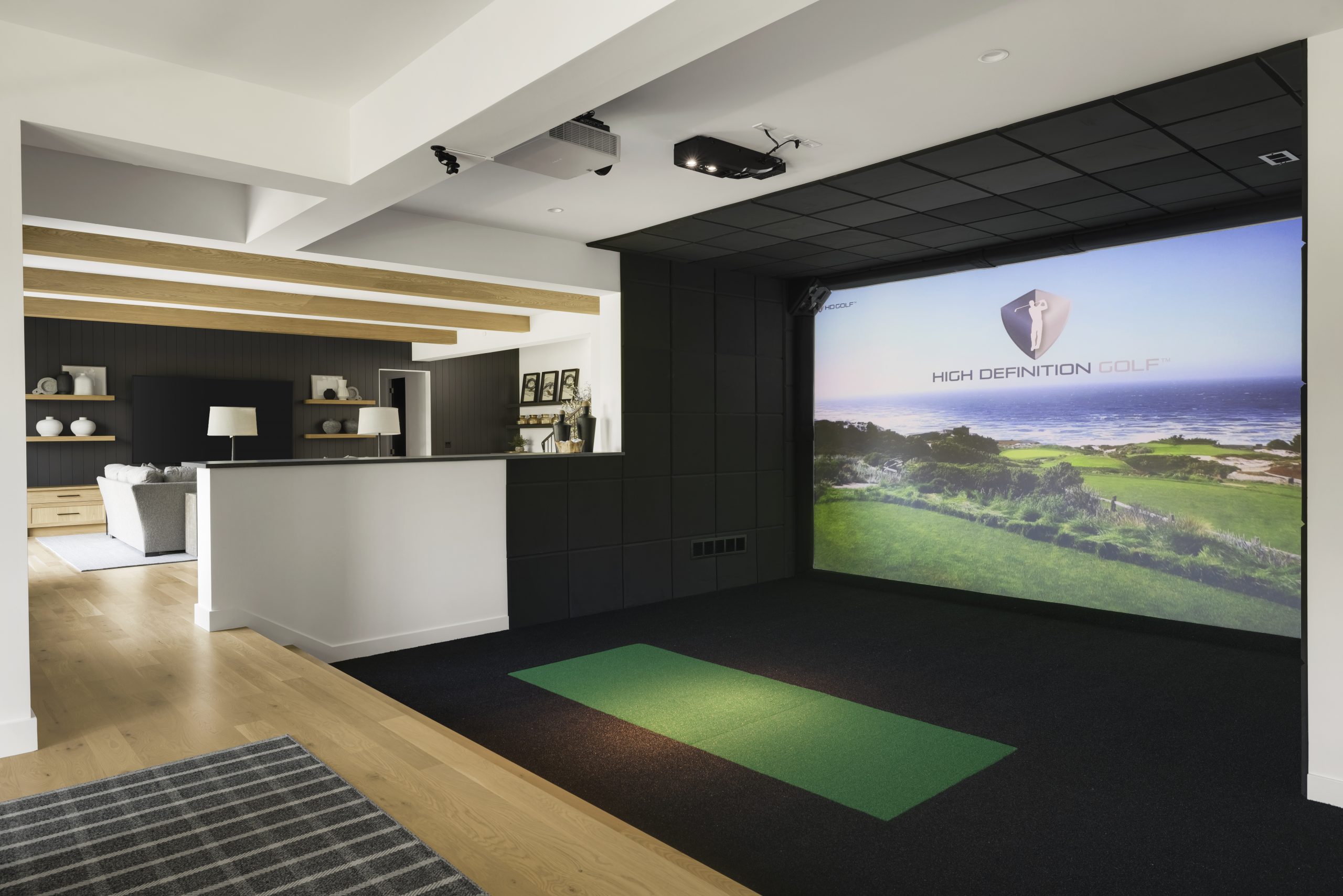
Photo Credit: Stonewood Homes
The Rise of Practical Living
Laundry location is huge.
Hope Nusser says, “Our biggest request has been main-level or bedroom-level laundry rooms. Many people want to have more accessible laundry.”
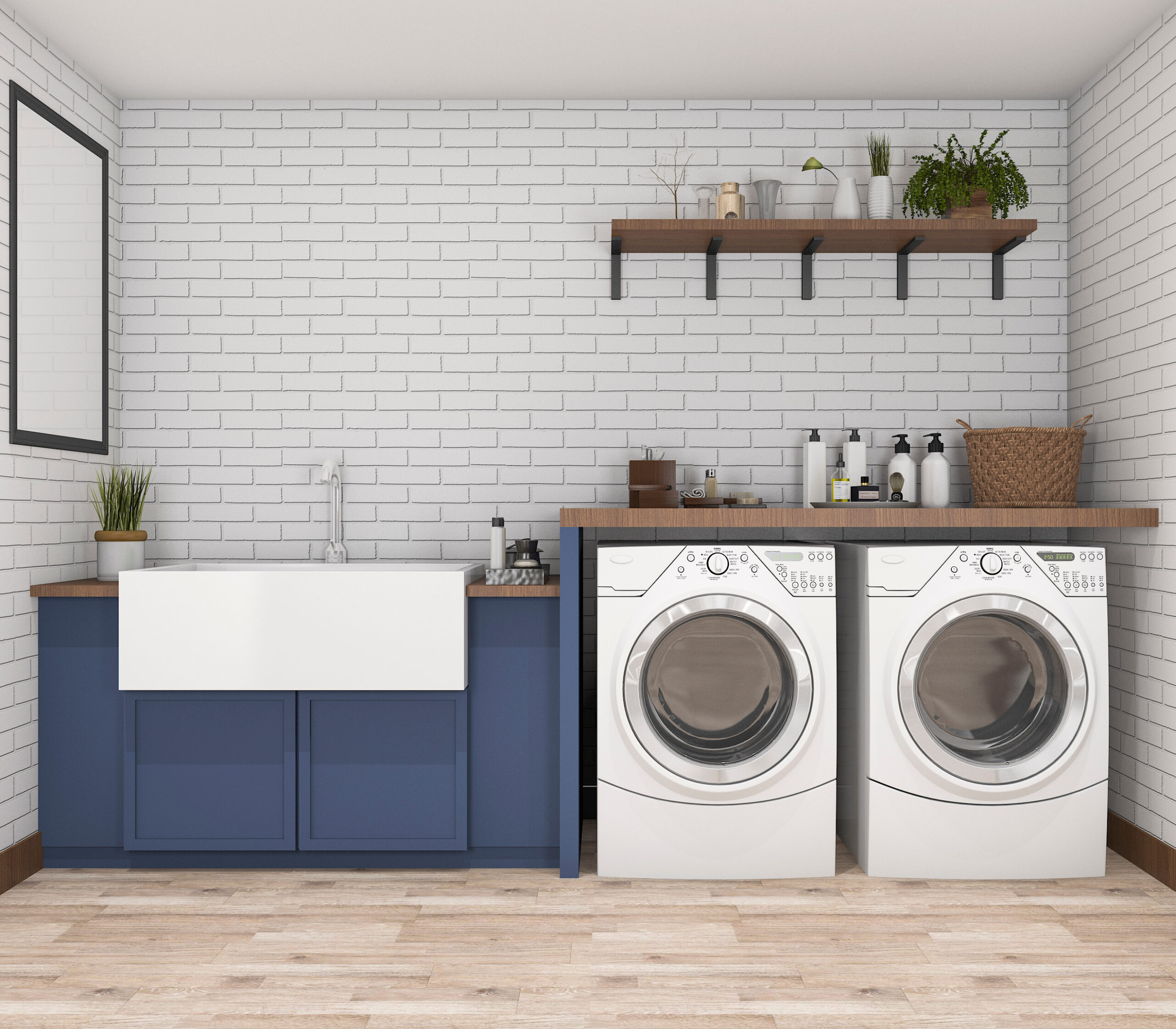
Daphne adds that buyers are looking to avoid laundry machines in the mudroom. Nobody wants to haul baskets up and down stairs anymore.
Home offices aren’t going anywhere.
Kimberly notes that since many buyers are still working all or partially from home post-COVID, the home office is still a big need.
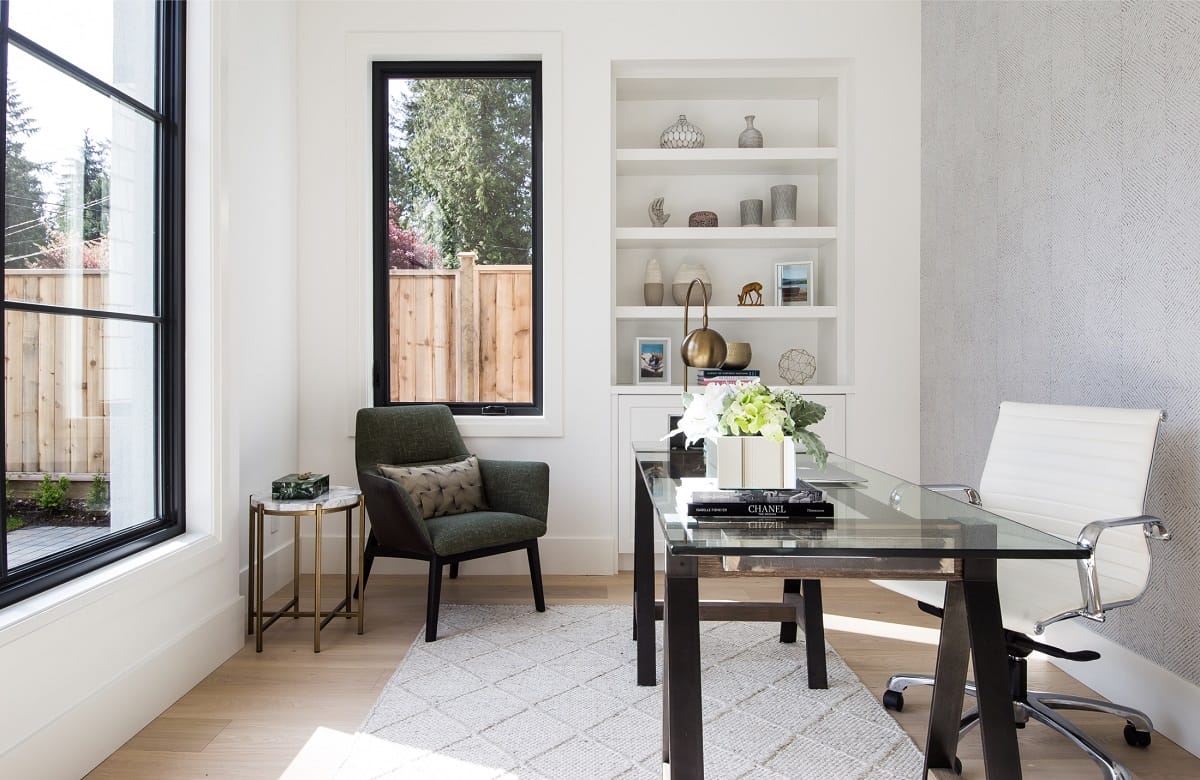
Image Credit: Decorilla
Storage and outdoor space.
Ellie sees frequent requests for fenced-in yards and more garage space. People need places to put their stuff, and they want outdoor spaces their kids and pets can use safely.

Bathrooms are getting a facelift.
Tundi Brady says, “The aspirational primary jetted tub is dead. Buyers want that precious and expensive square footage to be a useful, larger walk-in shower or more closet space.” She says some homeowners want the tub gone altogether since it ends up being one more thing they have to clean.
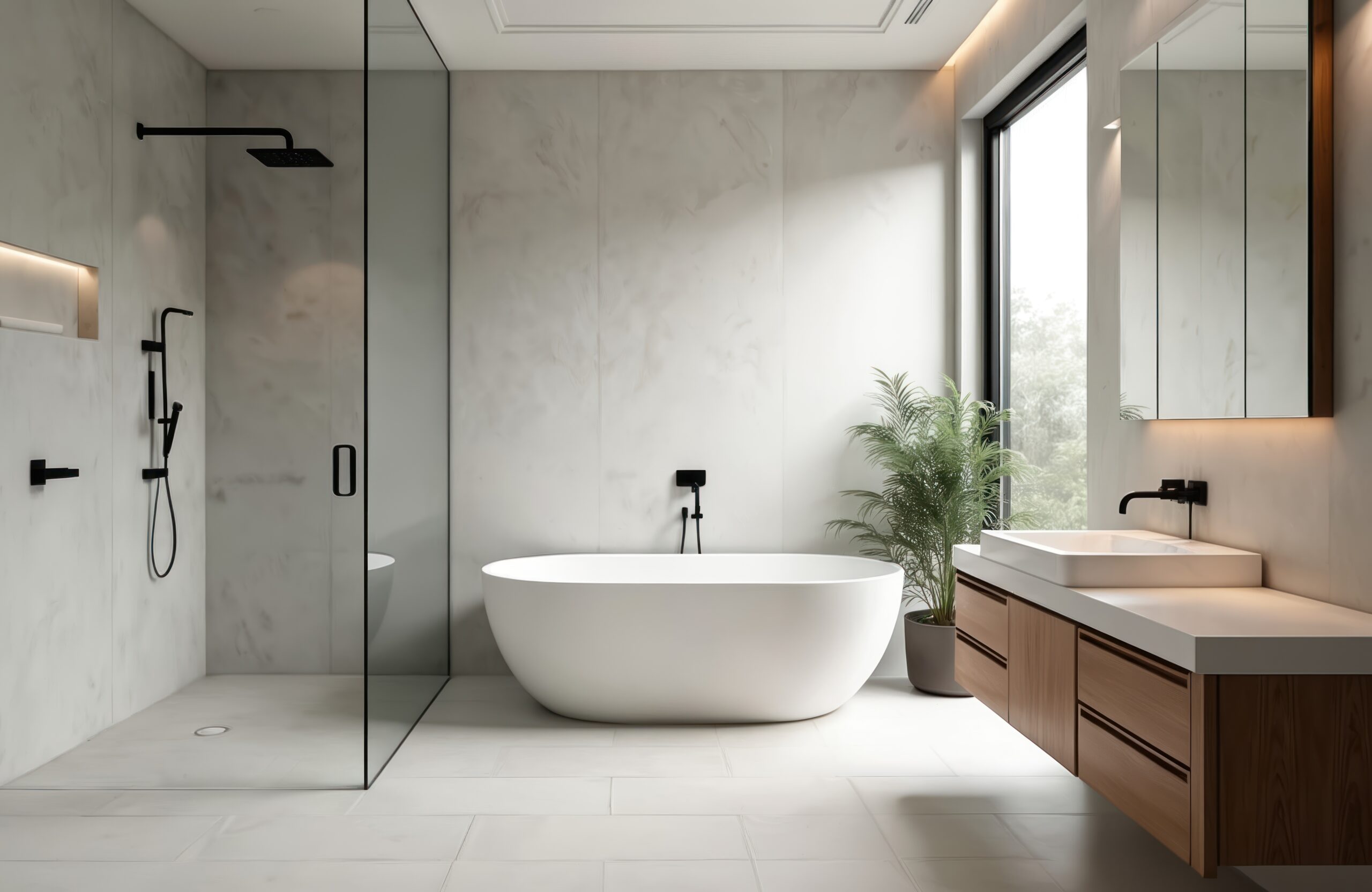
Bathrooms are turning into wellness spaces—rainfall showers, heated floors, natural materials, and soaking tubs for those who will actually use them. Homeowners want features that will enhance their daily routines.
Outdoor Living Continues to Grow
Tricia has seen outdoor/transitional living spaces as a top request. Her buyers are looking for outdoor areas designed for living and entertaining.
Andrea notes, “People love outdoor living spaces, and I’ve seen more covered decks than screened porches lately.”
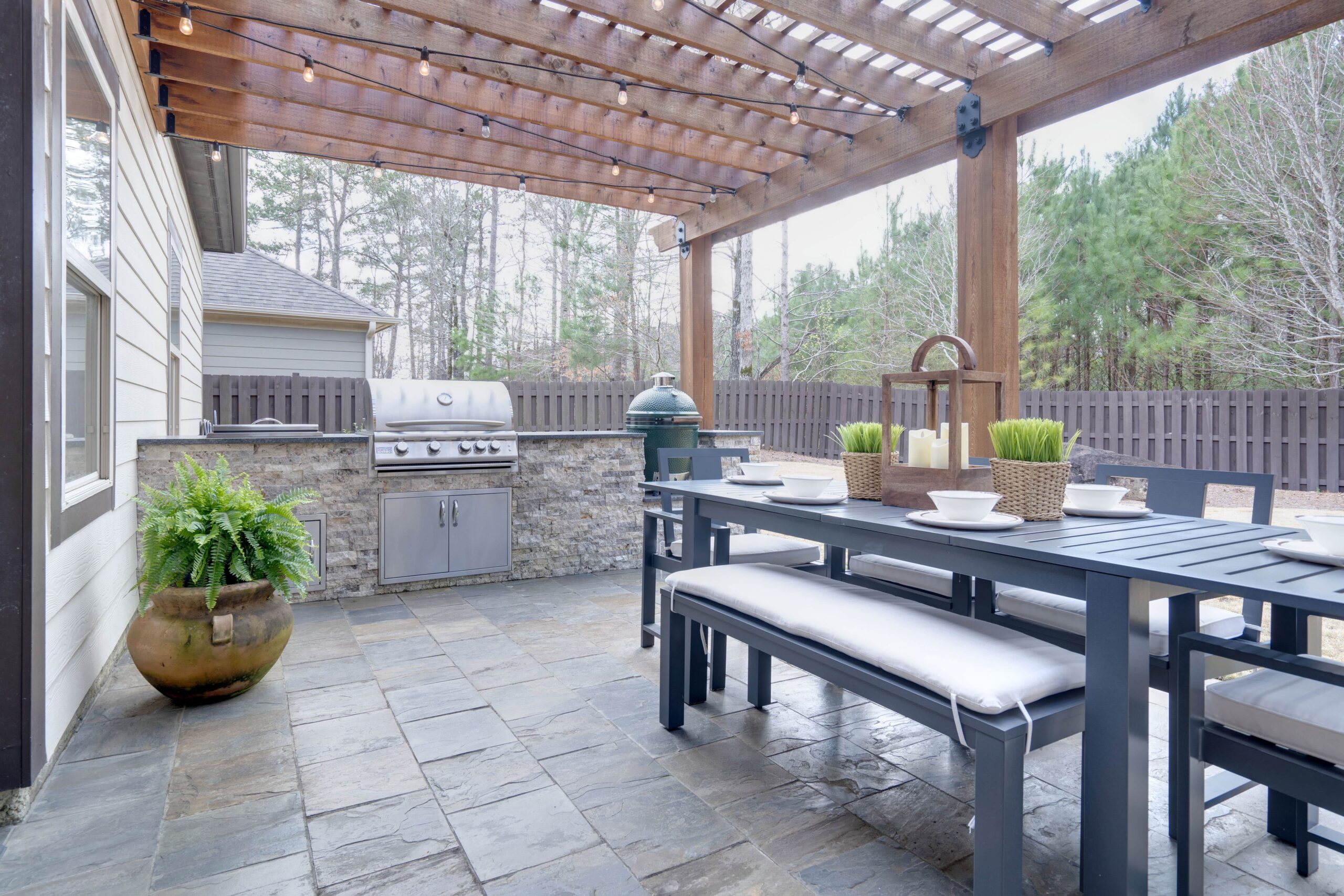
Covered decks give you that open-air feel while protecting you from the weather. Plus, you can use them for more months of the year. Outdoor kitchens, comfortable seating, and spaces that feel like outdoor rooms are surging in popularity.
Lighting Gets Interesting Again
Rows of recessed can lights now feel dated. People are layering lights instead. Table lamps, floor lamps, sconces, and decorative fixtures can make spaces feel softer and more flexible. Statement lighting is becoming a focal point.
Fixtures are also getting more refined and proportional. Less of those room-dominating chandeliers, more thoughtfully scaled fixtures that complement the room’s architecture without overwhelming it.
Technology That Doesn’t Announce Itself
You’ve heard of a smart home, but have you heard of a dumb home? As homes become more tech-forward, many homeowners are opting for good old-fashioned buttons and switches. Smart home features are still important, but they’ve changed.
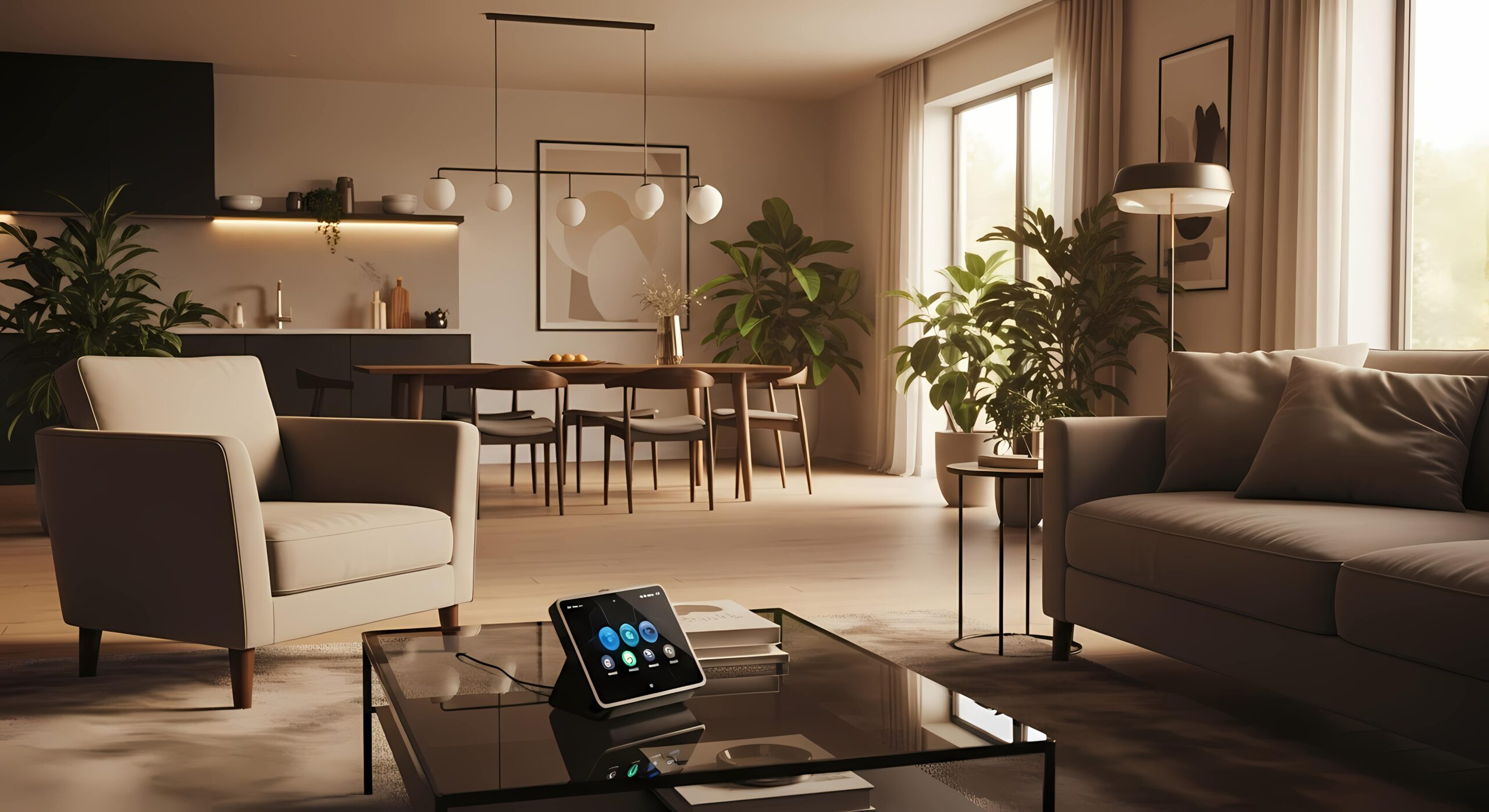
Andrea says, “I read an article that homes can be too smart, so I think a so-so smart home is the best.”
Today’s approach is now ‘invisible tech.’ Think hidden speakers, projectors that disappear when they’re off, and AI-driven lighting that adjusts to your schedule and needs. Homeowners want intelligent homes, but they don’t want to feel like they’re living in a tech showroom.
Water Quality is a Priority
Tundi says water filtration systems have skyrocketed across all price points. “I’m seeing heavy buyer appreciation for an existing water filtration system already installed. In new construction and spec homes, I’m seeing buyers negotiate for the builder to add one prior to closing.”
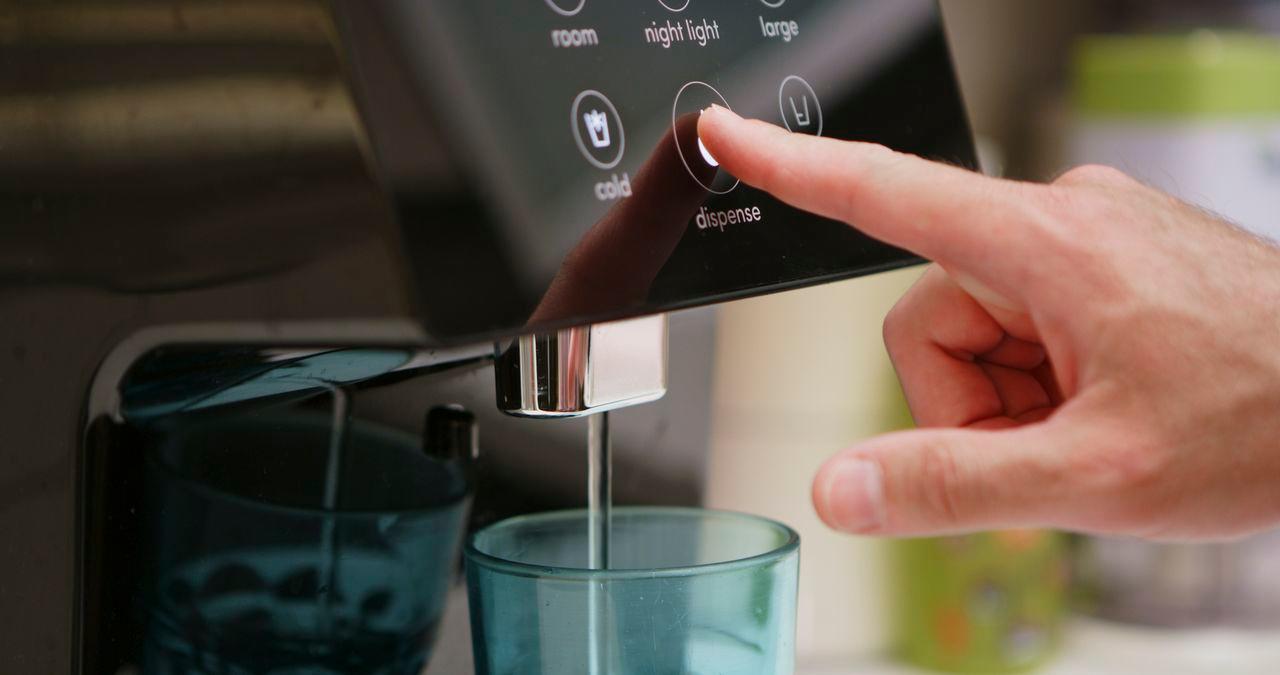
Photo Credit: Thanasis Zovoilis / Getty Images
Water filtration is a growing trend across the country—including Iowa—where homeowners are becoming more aware of contaminants and opting for more environmentally friendly alternatives to bottled water.
Beyond water quality, people are thinking about climate-resistant features. Zero-energy-ready homes, whole-home batteries, and EV charging are at the top of many buyers’ wishlists. They’re concerned about energy costs and environmental impact, and these priorities are reflected in many homes.
Wellness is the Norm
This goes beyond the home gym in the basement. We’re talking dedicated meditation nooks, infrared sauna closets, sound rooms for sensory deprivation and recovery, and spaces specifically designed for unplugging.
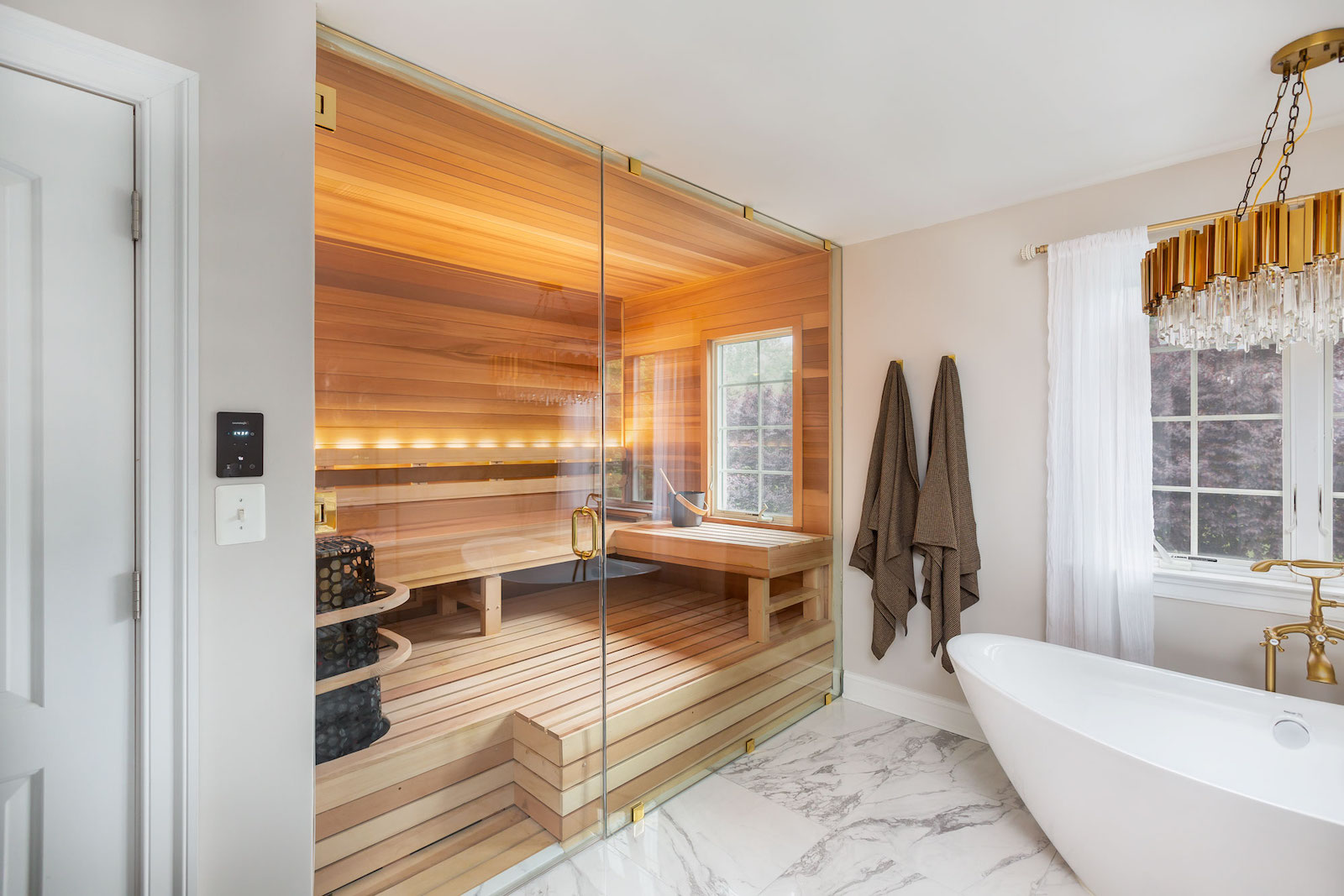
Image Credit: Alyea Photography, courtesy of Finnleo
Walkability Rises to the Top
Tundi has noticed a distinct increase in requests for a walkable home:
“People want to walk to work, to the store, to restaurants, to parks with kids. The distance people are willing to walk to work is surprisingly high—a 30-45 minute walk to the office for some is just fine.”
She notes this is a relatively new development. “This sort of request was more rare 10-12 years ago, but as ‘getting our steps in’ is shown to be so important for good health, people seem to want to buy homes in locations that facilitate walking as part of daily life.”
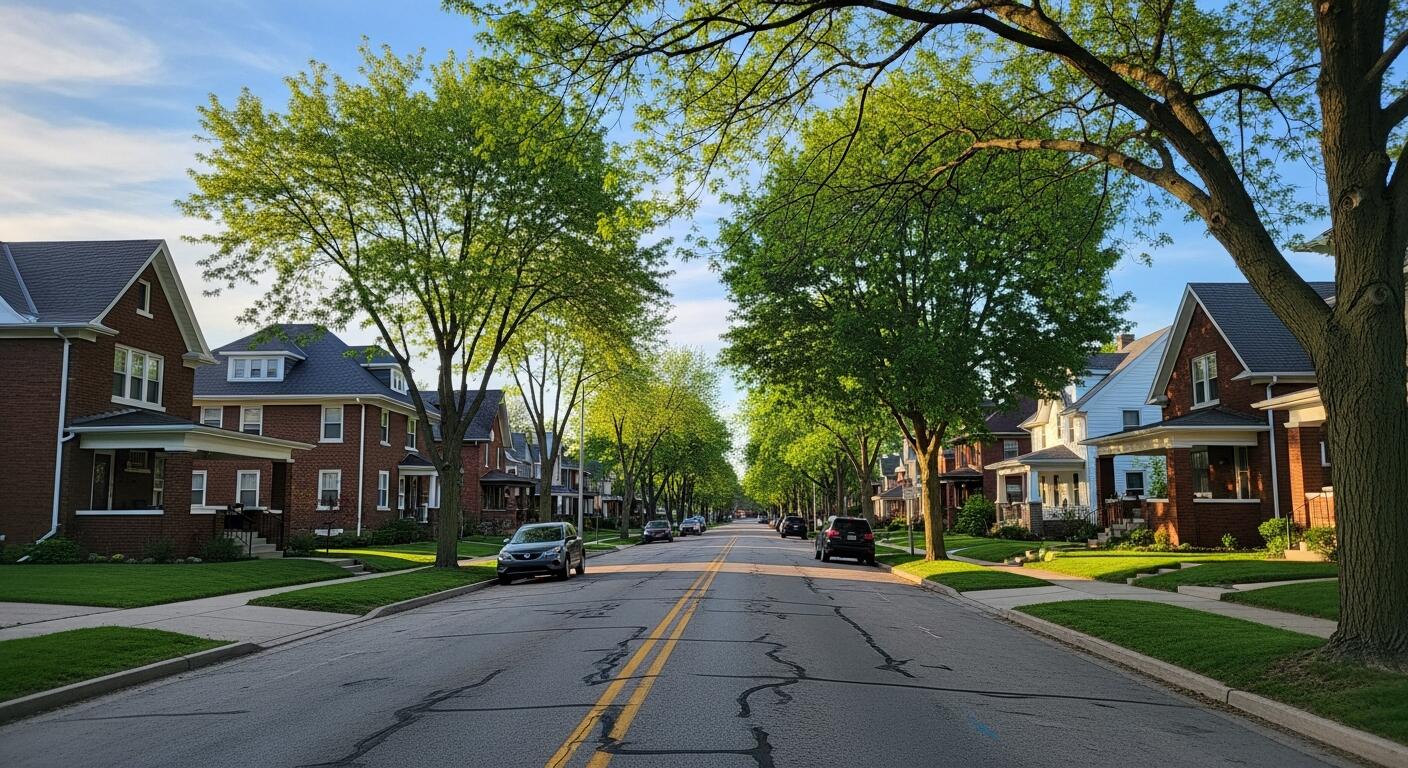
Photo Credit: NextDoor
This is challenging in Iowa because of how we’ve built our communities, but consumer pressure is slowly turning the tide. Mixed-use zoning and more walking and biking trails are popping up in places we didn’t have them before. Tundi predicts that we’ll see more walkability incorporated into new developments and retrofitted into existing ones.
Trends That Are Fading
Here are some of the main home design trends our agents have seen dying off:
- All-white kitchens: Design is moving toward spaces with depth, warmth, and lived-in vibes.
- Waterfall islands: Once sleek and modern, they’re now overdone and one-dimensional. Buyers want more visual interest.
- Open shelving in kitchens: Great for photos, but impractical for storage. Many people struggle with where to put their dishes.
- Formal dining rooms: These rooms are being converted into home offices, libraries, or media rooms that families use.
- Blanket ladders: Throws in baskets or storage ottomans make more sense.
- Word art: ‘Live, Laugh, Love’ and similar sayings feel dated. If you want typography, invest in real art or vintage finds with character.
Where Should You Focus Your Energy in 2026?
Mollie has a great perspective: “Bigger is not necessarily better. Smart, intuitive design and high quality wins over quantity.”
For sellers preparing homes, warm, neutral foundations that buyers can personalize work well. Features that consistently matter: water filtration, fenced yards, garage space, accessible laundry, and functional kitchens.
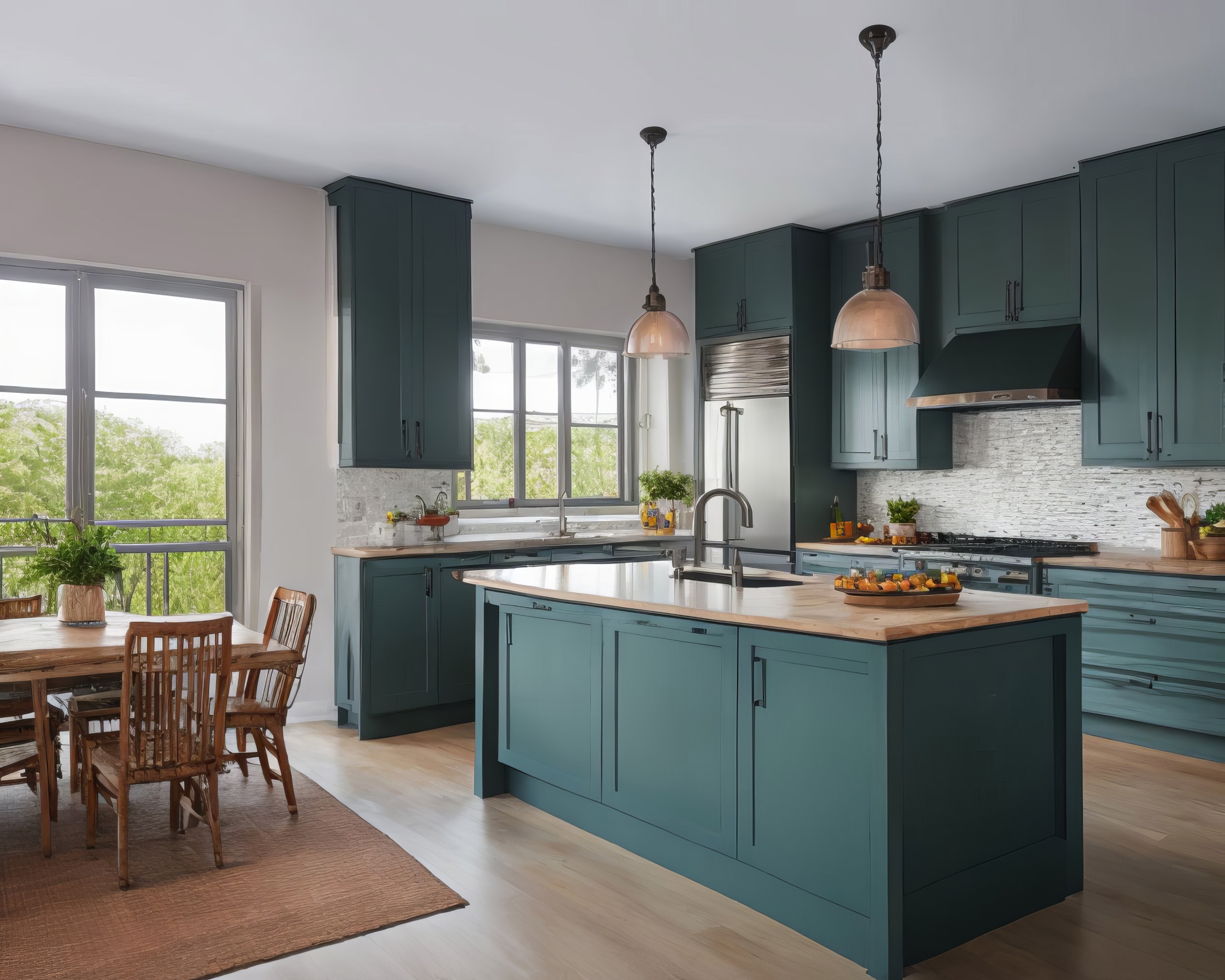
Tundi adds, “Color, color, color. Not one interior design or architectural magazine is featuring white walls and minimalistic finishes anymore. We have swung hard to the polar opposite, and it’s all about infusing rich and moody tones.”
Whether you’re buying, selling, or refreshing your current space, the vibe is everything. Your home should be designed for how you live and feel uniquely yours.
Can we help you find a new home or sell your existing home in 2026? Reach out and let us know!